What Northeast Ohio Parents Look for in a Private School
For a growing number of Cleveland-area families, the private school decision comes down to a single question: Will my child be known here?
by Kristen Hampshire | Sep. 5, 2026 | 5:00 AM

Photographed by Andrew Jordan Photography
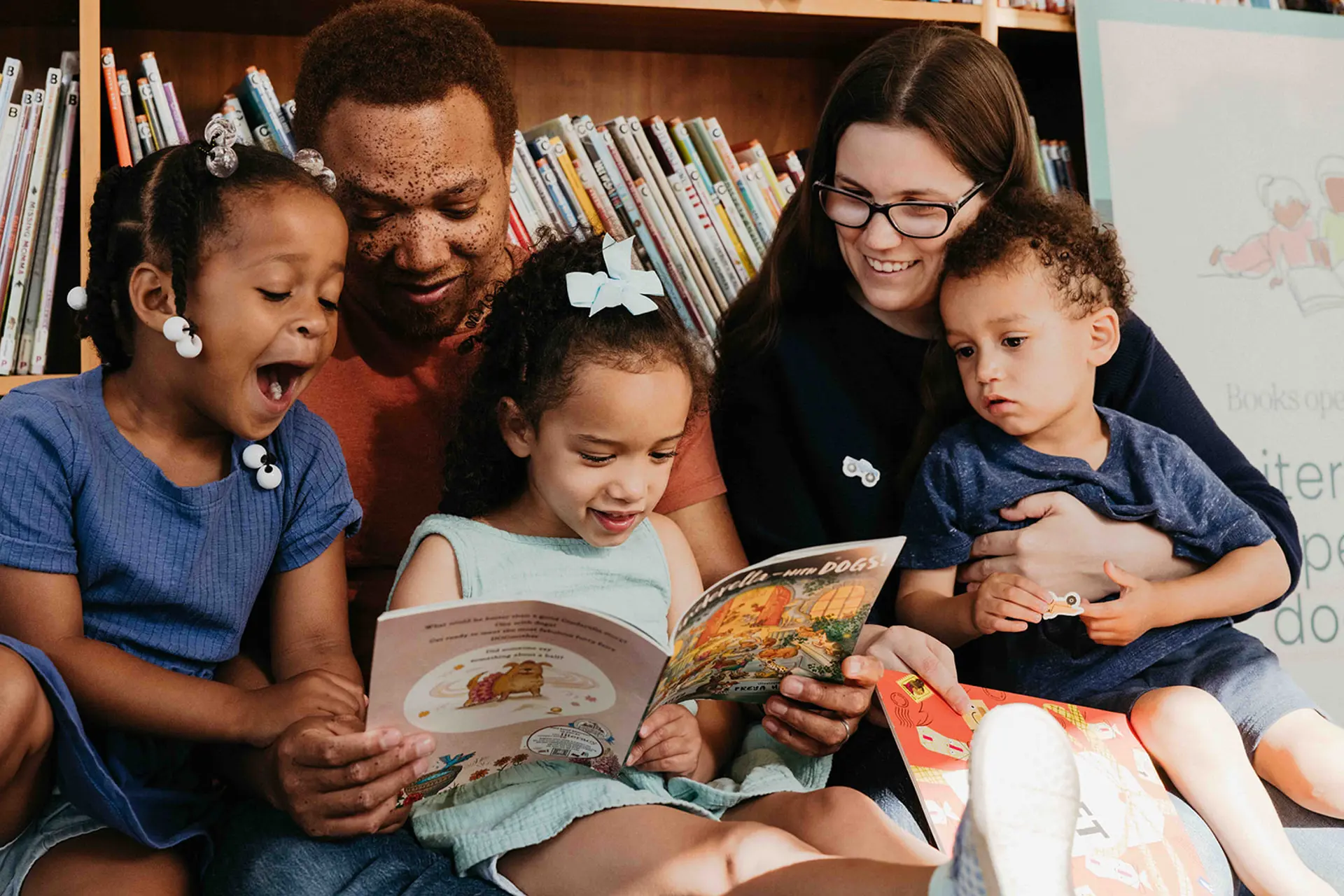
Before Lori Vajdich and her family toured a single school, they sat down together and made a list.
Strong academics. Teachers who cared. Opportunities to try new things. A community where Landon and Layla, now in eighth and ninth grades, could find their place — and feel proud to say, “This is my school.”
The family wasn’t new to private education. But as her children approached middle school, Vajdich began to wonder whether the school that had served them well was still the right fit.
Changing schools wasn’t an easy sell.
“You don’t have to move,” Vajdich remembers telling them, “but I’d really like you to look.”
So they did. They shadowed students, met teachers and walked the halls at four schools. After each visit, the family compared notes. How did students treat each other? Were teachers engaged? Could they picture themselves there?
Of course, the kids noticed the food.
“We need more than that,” Vajdich reminded them.
For her, that “more” included belonging. “I want them to feel connected and excited to represent it,” she says.
The search eventually led the family to Gilmour Academy. Their experience reflects how many families are approaching the private-school decision today.
Academic excellence still matters. So do college outcomes. But increasingly, those are just the starting point. Families are looking beyond them to culture, relationships and opportunities — and asking whether this is a place where their child will grow.
In a 2024 EdChoice survey, private school parents ranked safety and academic quality equally at 36%, followed closely by morals, character and values instruction at 31%.
“I think academics are really the first draw for families to an independent school, but the culture is what ultimately helps many families make their decisions,” says Alison McCloskey, executive director of the Cleveland Council of Independent Schools.
Parents want their children to be challenged, McCloskey says, but also supported and encouraged to grow. “There is no single best independent school,” she says. “The best school is the one that is the best fit for your child.”
Known Here
Ask admissions leaders what parents are looking for, and one word comes up again and again: known.
At Lake Ridge Academy, Jane Lacoste, director of admissions and international enrollment, hears it directly from families: Will my child “be comfortable being themselves”? Will they belong? Will “teachers really know them”?
For Lacoste, being known shows up in everyday interactions. Being known means teachers understand how a student learns, where they excel and where they may need support.
“Will they be challenged when they excel and supported when they struggle?” Lacoste asks.
Ultimately, those questions help families get to the heart of a fit and whether their children will “thrive academically, socially and personally.”
“Academics and college outcomes are expected,” Lacoste says.
At Hawken School, Katherine Gonzalez, assistant head of school for enrollment management, says being known extends beyond academics. Students should be “seen, heard and known” — understood not just as learners, but as people.
That sense of belonging matters, Gonzalez says, because “when students feel like they belong, they learn better.”
At Laurel School, Abigail Steinberg, director of enrollment management, puts it plainly. “Academic rigor means very little if a child doesn’t feel safe, seen and valued. Culture and well-being are the prerequisite for deep intellectual engagement,” she says.
She adds, “At Laurel, we encourage parents to ask us how we build courage. Knowing how a school navigates conflict, failure and peer dynamics tells you everything about its true culture.”
See For Yourself
Beautiful buildings are easy to see. Culture takes more work. Admissions directors encourage families to spend enough time at a school to see past the polished open house.
“Look past the mission statement on the wall and watch the unscripted moments,” Steinberg advises.
How do teachers interact with students between classes? How does a classroom respond when someone makes a mistake? How do students speak to one another when they aren’t part of the formal tour? Those moments can tell a family considerably more about a school’s culture than a list of accomplishments, she says.
Michael Palange, assistant director of admissions at St. Ignatius High School, makes a similar distinction. An open house gives families a sense of the buildings, activities and “bells and whistles.” A shadow day shows something different.
“What does it look like when you’re shadowing?” he says.
Palange encourages families to experience a school in multiple settings and talk with current students and parents whenever possible. The goal is to understand the entire experience, not choose a school because of one team, facility or program.
Palange, a St. Ignatius alumnus, dials back to what guided his decision. “A family friend worked here and he would bring me up here to play basketball with his son,” he relates. “Over time, I thought, ‘This is where I’m going to be.’”
Julia Friedl saw this play out when her son, Michael, a senior, began looking at high schools. With family ties to St. Edward High School, he thought his decision was already made.
“From fourth grade to eighth grade, he was going to St. Ed’s,” Friedl says.
Friedl insisted he keep an open mind. “You have to go and shadow,” she urges. “We have to go to each open house. We have to see.”
So Michael did, ultimately landing on the other side of Northeast Ohio’s storied Holy War rivalry.
At St. Ignatius, Michael liked the campus, which reminds him of “a mini college,” and came away intrigued by the classes he shadowed. The details mattered, too. Michael plays alto saxophone and participates in sports, including rugby. With band built into the school day and just one evening practice a week, he saw a way to pursue both.
“He was very involved in that decision,” Friedl says. “The music program was very important, the athletics and, of course, the academics.”
The visits gave him something family history couldn’t: a chance to picture what his own high school experience might look like.
What Else?
Strong academics may earn a school a place on a family’s list. Then comes a bigger question: What else?
For one student, the answer might be robotics. For another, orchestra, entrepreneurship, advanced math, environmental science, theater or lacrosse.
Increasingly, families aren’t simply looking for more activities. They are looking for opportunities that match a student’s interests, or ones that may help uncover a new passion.
Suzanne Walker Buck, head of school at Western Reserve Academy, says families increasingly seek specialized experiences.
A child may have a particular interest “where they really want to go deep, explore deep,” she says.
At WRA, that might mean cancer immunology for a student interested in medicine or hands-on learning through the school’s Innovation Center. Buck calls those distinctive programs a “magnet for families.”
Entrepreneurship is another growing draw.
“Unlike five years ago, now we see more families who want their child to have opportunities in entrepreneurism and to be able to pursue creative business ideas,” Buck says.
And they’re doing more than kicking around ideas. One student identified a gap for high school lacrosse players interested in Division III programs and created an online platform connecting recruits with coaches. Another developed an artificial intelligence program for medical transcription.
“These are the types of things parents are now asking: Are there opportunities for my child to pursue an entrepreneurial idea that did not exist five years ago?” Buck says.
The Innovation Center also illustrates an important distinction: Specialized doesn’t necessarily mean exclusive. And WRA is expanding the concept, adding 16,000 square feet to its existing 6,000-square-foot makerspace, with new space for technology, entrepreneurship and interdisciplinary learning.
Approximately 400 of WRA’s 440 students took a course in the center last year, Buck says. Students encounter everything from graphic design and 3D printing to robotics, virtual reality and AI. An automotive engineering class even built a 1967 Shelby Cobra from a kit.
“It’s a space that nearly every student at Western Reserve Academy touches,” Buck says.
At St. Ignatius, Palange points to advanced academics as another example of the “what else?” factor. He describes a math teacher who pursued additional education so he could offer multivariable calculus and linear algebra, allowing advanced students to continue progressing without leaving campus to take college courses. Students also conduct high-level research and present their findings beyond the school.
But “what else?” can work in the opposite direction, too. Instead of going deeper into an existing strength, a student might discover something unexpected. Vajdich’s children are athletes. Her son, Landon, tried drama club anyway — and liked it enough to sign up again. He added speech and debate. Both children became involved in student council.
That exploration is part of what Vajdich says she values most. “They are both asking questions and talking to teachers in ways they never would have,” she says.
And when facilities are part of the draw, families should look beyond the wow factor.
“I would encourage parents to ask, ‘What access will my child have?’” says Dan DeCrane, Gilmour’s director of admissions. A performing arts center or athletic facility may impress on a tour, he says, but families should consider how students actually use those spaces.
The Bigger Picture
College preparation remains part of the equation. But families are also looking beyond where graduates go to consider who they become and what opportunities they may carry with them.
Can students advocate for themselves? Recover from setbacks? Take risks? Lead? Build relationships?
Meg Colafella, chief communications officer at WRA, saw that kind of preparation firsthand as a parent. One of her sons attended WRA, while another attended public school. By the time her son headed to college, he was accustomed to navigating a campus, managing his schedule and taking responsibility for his day.
Connections can matter, too. St. Ignatius has more than 21,000 living alumni, and Palange says some families are already thinking about what that network could mean. “What opportunities will they have when they leave here to get an internship or a job or whatever it may be later on in life?” he says.
Friedl has already seen an example with her son. More than 40 college coaches attended a St. Ignatius rugby practice last spring, she says. A Brown University coach noticed Michael, connected with his coaches and later invited him to visit campus.
Making connections starts on campus, DeCrane points out. “We’re geared toward involved and active student leaders with more than 60 clubs and grassroots efforts so they can engage in their interests and discover new ones,” he says.
At the same time, Gilmour is making its alumni network more accessible. “We have a great alumni networking program, and our advancement team is consistently connecting Gilmour graduates to professional growth opportunities,” DeCrane says.
Ultimately, Palange says, preparation is about more than academics. “What else are we doing and how are we helping create the man they’re going to be from here forward?” he says.
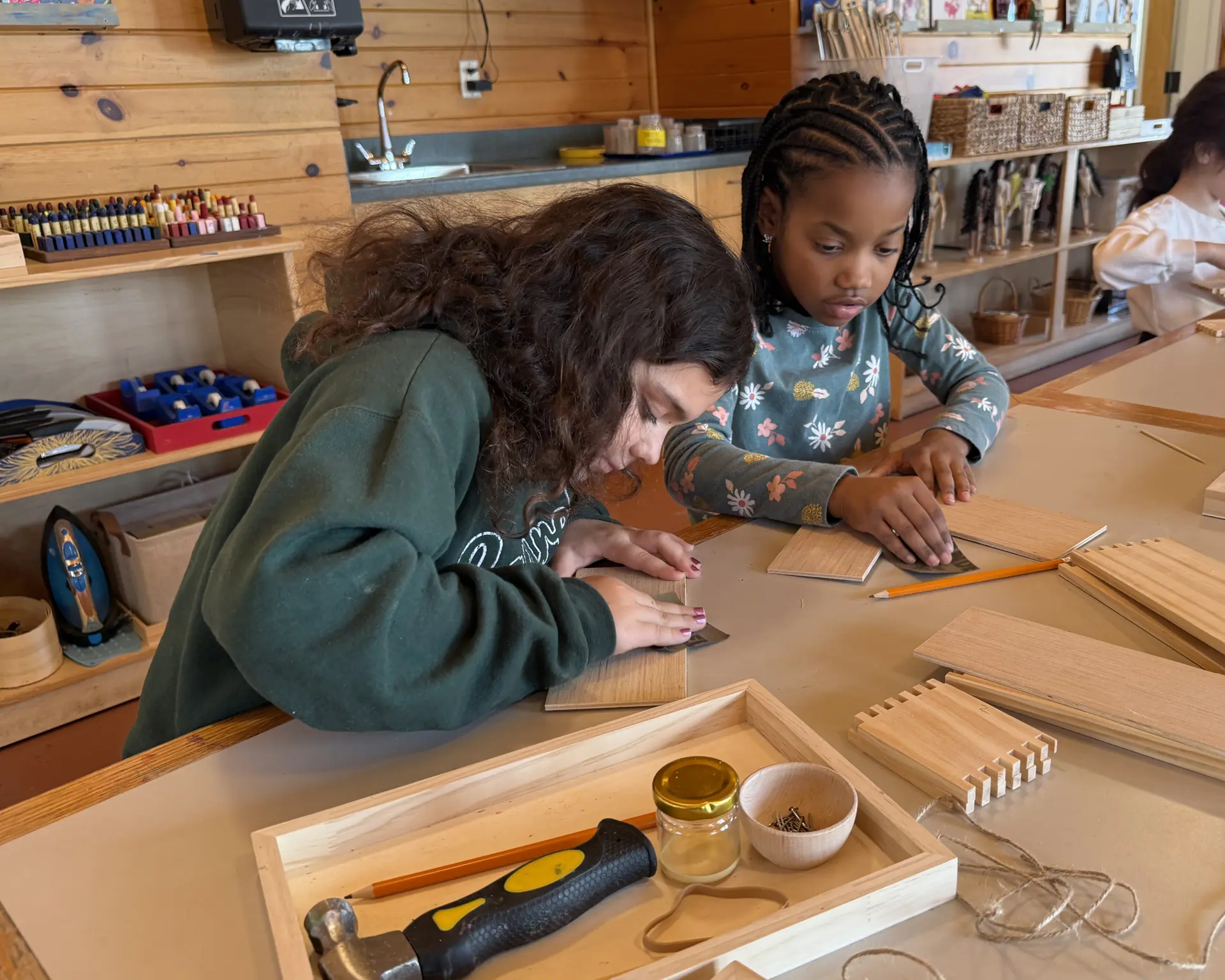
Parents may begin the school search. Increasingly, students help finish it.
By middle and high school, admissions leaders say students should have some stake in the decision. Michael Palange, the director of admissions at St. Ignatius, favors giving parents “51% of the ownership,” while putting students in a position to experience schools and weigh their options.
Choosing a high school, he says, may be one of the first big decisions a teenager helps make.
At Laurel School, Abigail Steinberg, director of enrollment management, says students at the middle and high school levels should have “a genuine seat at the decision-making table.”
“When students have ownership in the choice,” she says, “they arrive more invested in the experience.”
At Hawken School, Katherine Gonzalez says the student’s voice becomes increasingly important as children get older. By middle and high school, she says, the ideal outcome is for a parent to leave thinking, “My child can grow here,” while the student walks away thinking, “That’s my school. I can see myself there.”
As families weigh those perspectives, a few questions can help get beyond the brochure and closer to a fit. Add these to your list: What kind of student thrives here? How will teachers get to know my child? How do you support students who struggle — and challenge those ready for more? What does a typical day really look like? How do students find their place and build friendships? What opportunities will my child have to explore new interests?
For more updates about Cleveland, sign up for our Cleveland Magazine Daily newsletter, delivered to your inbox six times a week.
Cleveland Magazine is also available in print, featuring immersive stories, helpful guides and beautiful photography and design.