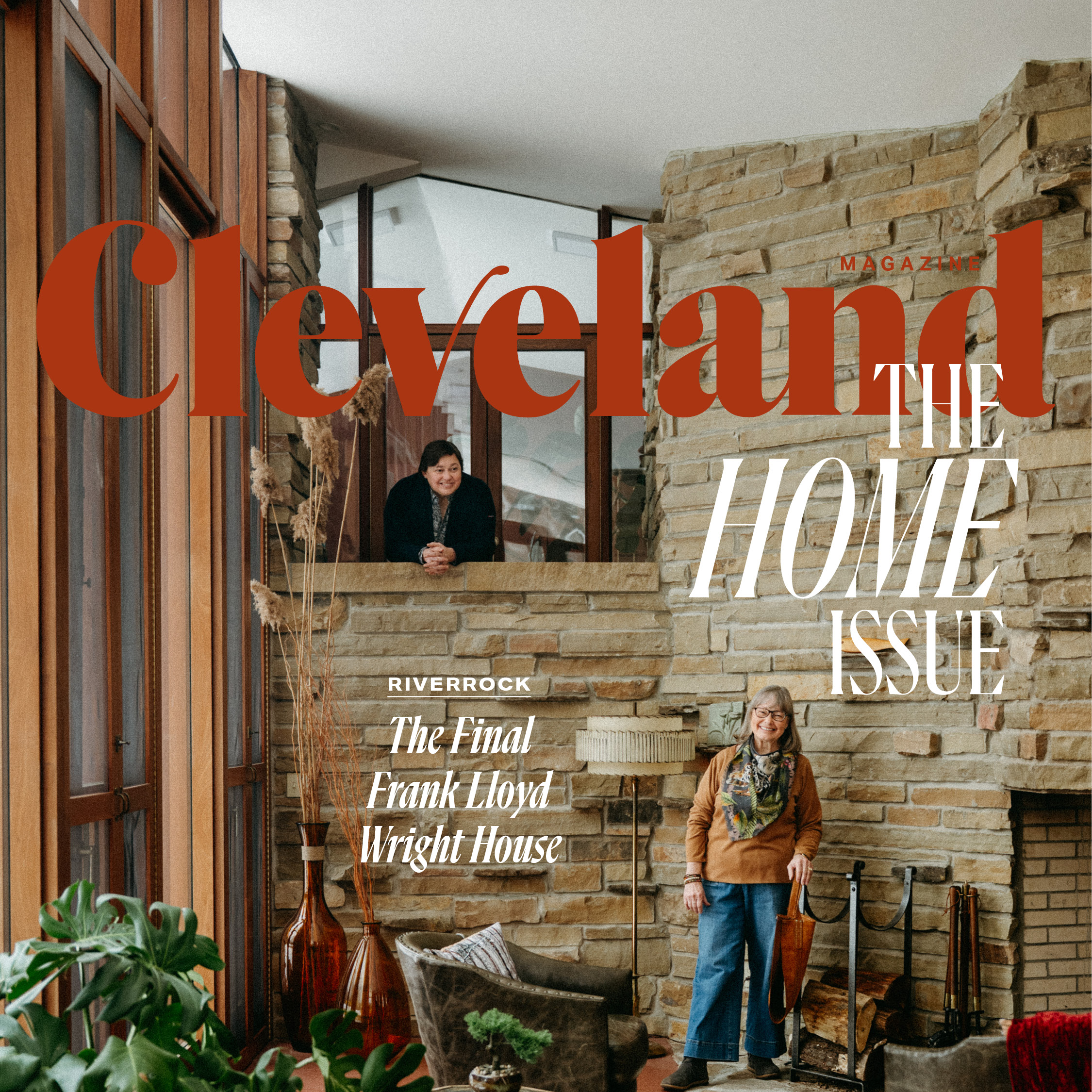
26 Reasons to Love Cleveland Right Now
Ten years after the high watermark of 2016, our championship year, Cleveland is still a city on top — one with primetime players, lovable goofballs and leaders taking us to the next level.
by Vince Guerrieri , Kirsten Kimbler , Julia Lombardo , Liza Marra , Annie Nickoloff , Ken Prendergast, NEOTrans , Christina Rufo | Mar. 31, 2026 | 6:24 AM

In Cleveland, 2016 means something. You don’t have to say another word. For nearly a decade now, we’ve treated that year as a kind of civic high-water mark — the year everything seemed to happen at once. The Cavs ended the drought. The Indians took the Cubs to the brink (that rain delay still haunts us). Stipe Miocic brought home the UFC heavyweight title. Cleveland hosted the Republican National Convention. The jokes stopped. The banners went up. For a moment, Cleveland found itself at the center of the nation’s attention. And get ready — because you’re about to hear about it all over again. Newsrooms across the city are warming up the nostalgia machine as the 10-year anniversaries approach. Over the coming months, you’ll read tributes to that unforgettable summer. No judgment: We have a few things up our sleeves, too. Cleveland does nostalgia well. But this year, we didn’t want to just look back. This month’s “26 Reasons to Love Cleveland” feature was partially inspired by a social media trend that popped up at the turn of the year. Users posted flashbacks to 2016, calling it a simpler time. In some ways, it was a cultural time capsule — the year Stranger Things debuted, Justin Bieber topped the charts and “Damn, Daniel!” somehow became a thing. But 2016 also marked a turning point — not just for Cleveland, but for the country. The political era that dominates today began here that summer. In the years since, the national conversation has grown loud, toxic and more divided. COVID reshaped how we live and work. Some of our favorite restaurants closed. Office workers disappeared from Downtown. LeBron left again. The Browns, well … they’re still the Browns. It hasn’t always been easy. But through it all, Cleveland hasn’t lost its spark. If anything, the lesson of 2016 isn’t about championships or national attention. It’s about what came after — the realization that we don’t need validation anymore. This city is building something bigger than that. There’s finally hope around activating the shores of our Great Lake and river. Our chefs aren’t chasing trends anymore — they’re defining them. Our parks, institutions and neighborhoods are evolving in ways that make this place more vibrant and beautiful. Our sports stars — like José Ramírez — love this city so much they’re willing to turn down millions just to stay here. And the weird, wonderful, winter-hardened Cleveland? That Cleveland is still here, too. It’s easy to take home for granted. You drive past the same places every day. Growth happens incrementally. But I’m lucky. Making this magazine each month reaffirms why I love this place. I hope it does the same for you, too. But just in case you needed a reminder, here are 26 more reasons to love Cleveland. -DS
Because the Best Defensive End in NFL History Plays Here ...
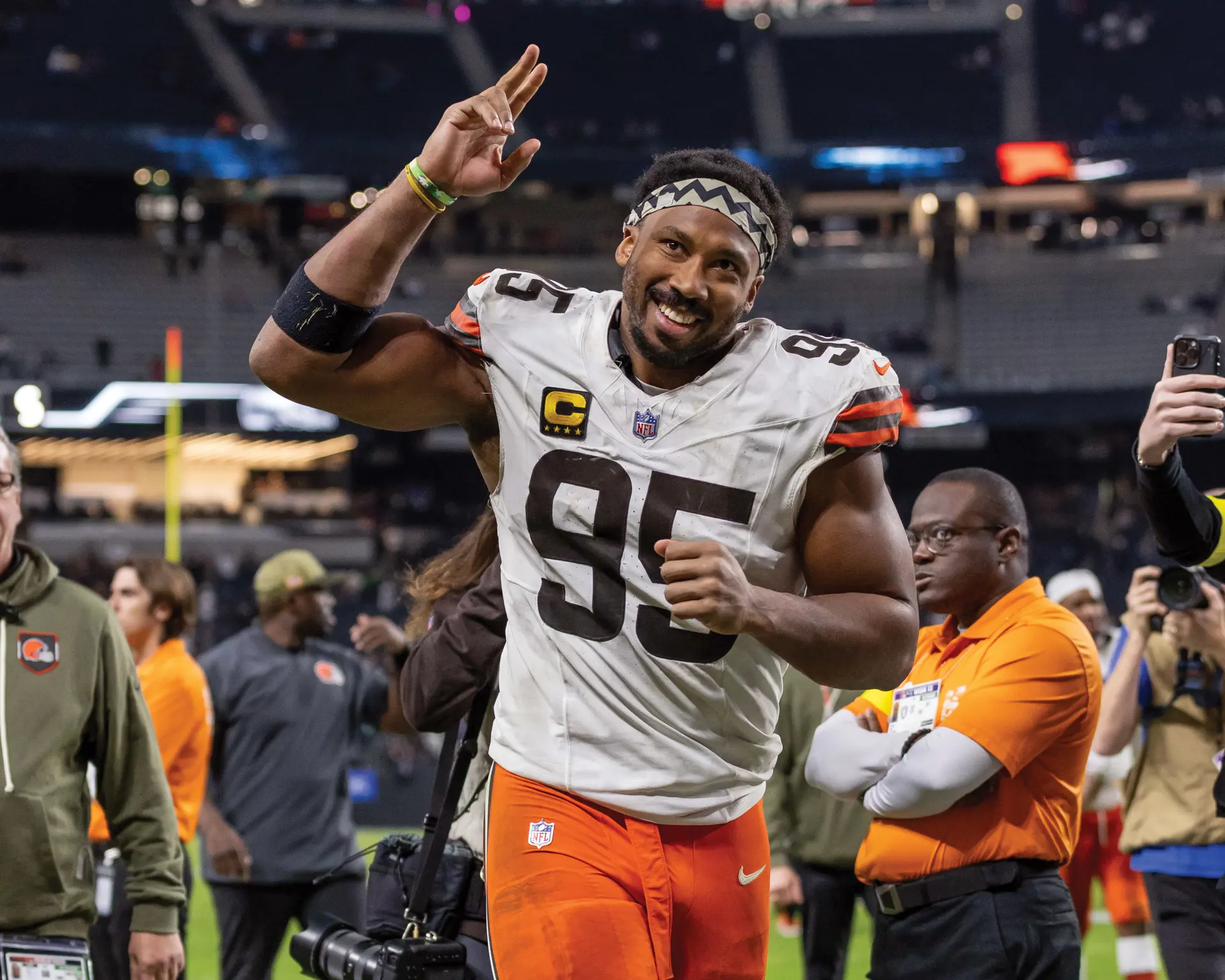
Being a Browns fan isn’t for the faint of heart. There’s an entire litany of bad breaks, bad players and bad years. But there are moments of joy — like watching Myles Garrett play. The Browns selected the Texas A&M defensive end in 2017. He seemed like the consensus top pick, but Browns history is littered with can’t-miss prospects who’ve missed. Garrett hasn’t missed. His play on the field has virtually guaranteed him a bust at the Pro Football Hall of Fame in Canton. (His uniform is already on display, following his record-setting 23 quarterback sacks last season.) But Garrett doesn’t just break records: he almost defies physics. The Browns list him as 6-foot-4 and 272 pounds. He looks as if he’s been chiseled from marble, and he ran a 4.64-second 40-yard dash at the NFL Combine before the Browns drafted him. Any NFL player will tell you the difference between college and the pros is speed. In the NFL, everyone is fast. But Garrett is fast fast. His average time getting off the defensive line when the ball snaps is 0.67 seconds, among the quickest in the league. A guy as big as him shouldn’t be as speedy as he is. He gets double-teamed. He sometimes gets triple-teamed. He gets chipped. He gets held. And he’s still the best defensive player in the league, having won two Defensive Player of the Year awards. Even when the Browns are awful, Myles Garrett is worth watching. -VG

... And Jose Ramirez Is Our Adopted Hometown Hero
Sports fans in Cleveland can recognize greatness, but there’s a special place in our hearts for the athletes who seem to get us. More than 30 years after his last game for the Browns, Bernie Kosar remains beloved. Bob Feller was born in Iowa, but he was a Northeast Ohio institution until the day he died. The Kelce brothers have never played a down for the Browns, but their Cleveland Heights roots make them ours. Jose Ramirez is that combination of greatness and “gets us.” Ramirez is reluctant to speak English publicly (although he has been doing so more often) — but the way he plays transcends any language. He swings at, and hits, bad pitches. He runs the bases with abandon, often losing his helmet as crowds sing his name. Before the 2026 season even starts, Ramirez is already in the top three in team history in offensive wins above replacement, games played, runs scored, runs batted in, home runs and stolen bases. Jose will be in Cleveland through at least 2033, having signed the largest deal in team history, but still less than he’d get on the open market, so he’ll probably own the team record book by the time he retires. Ramirez is the rare player who’s underrated — but everyone knows he’s underrated. Just how underrated is he? The Baseball Writers Association of American has voted on the MVP award since 1931. Jose Ramirez has finished eight times in the top ten of MVP voting, including four times in the top three. Nobody has ever received more votes for MVP without winning one than Jose Ramirez. And really, how Cleveland is that? -VG
Because the Bees Are a Great American Sports Dynasty
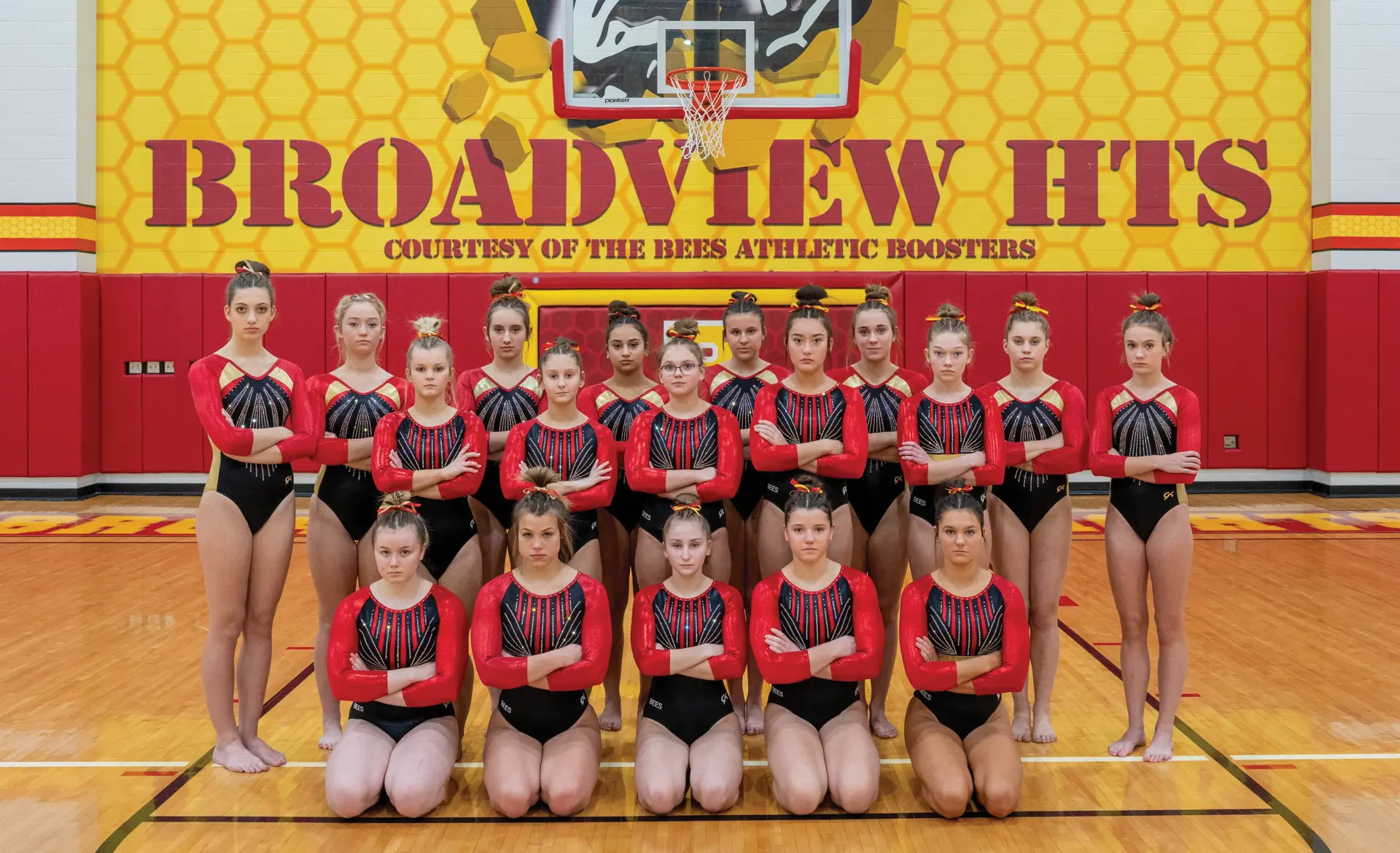
Brecksville-Broadview Heights High School won its 23rd consecutive gymnastics state championship in March. Read an excerpt from A Fraction of a Point: A Gymnastics Dynasty on the Line, Nina Mandell’s new book chronicling the 2023 victory.
It was August 2022, still months before the season started and five months after the last state title win. Brecksville-Broadview Heights assistant coach Leah Miko stood at Gym World at a club practice, wearing her usual coaching uniform: black workout pants and a T-shirt, with her long curly brown hair pulled back in a ponytail.
She watched her group of club gymnasts complete their warmup drills and tried to stop her mind from wandering. Two of the gymnasts in the club practice were Brecksville gymnasts, but the rest competed for other area schools — Padua, Strongsville, Magnificat and more. It was a weird reality of the Ohio gymnastics scene really. She was doing her best to coach the gymnasts at Gym World who could potentially upset her high school team — her alma mater and the thing that drove her to near madness daily — in the next state meet.
And while she was coaching the club gymnasts, often her mind kept wandering to that high school team. She had the same problem when she was driving to and from school or was at one of her other jobs — she also worked as a bartender — and mostly, it was the worst before she went to sleep at night. Leah couldn’t stop her mind from thinking about the hurdles facing the Brecksville-Broadview Heights team the next season. The lack of depth and known talent on the upcoming season roster was the thing that haunted her when she was not rethinking her strategy and where it almost went wrong with the last team. It had been months, but she couldn’t get it out of her head.
Because The City Inspires Creatives of All Types
Sarah Wagner’s gingerbread buildings. A Redditor’s Minecraft model of Downtown. Cityscape photography and local documentaries. Songs and murals. Whether it’s the stained-glass ceiling in the rotunda of the Cleveland Trust Co. building, the golden grooves of The Arcade or the towering Guardians of Traffic, our city’s icons are our muse, reminding us of the dreamers who came before. What might Cleveland inspire in you?
Because We Still Know How to Enjoy Winter
Long-term trends point to warmer temps and less snow. Yet, we saw 31 straight days of snow cover this year. In the brain rot era, Clevelanders embracing the cold is comforting. A Westlake family dyed ice cubes to create a colorful igloo. A North Olmsted woman snowmobiled to the middle of Lake Erie to cook out on the ice. You won’t find that recommendation in our dining section. We don’t condone it. But it’s undeniably awesome.
Because John Skrtic Captures The Heart of the City
You better look good if you’re going out in Cleveland. You never know when John Skrtic might ask to snap your photo. When he’s not serving the Cleveland Public Library, the lifelong Clevelander documents the stories of small business owners, everyday citizens, creatives and more. Armed with nothing more than a humble cell phone, the street photographer’s @skrticx Instagram is a vast archive of modern life in Cleveland.
Because Tim Misny Is In on the Joke
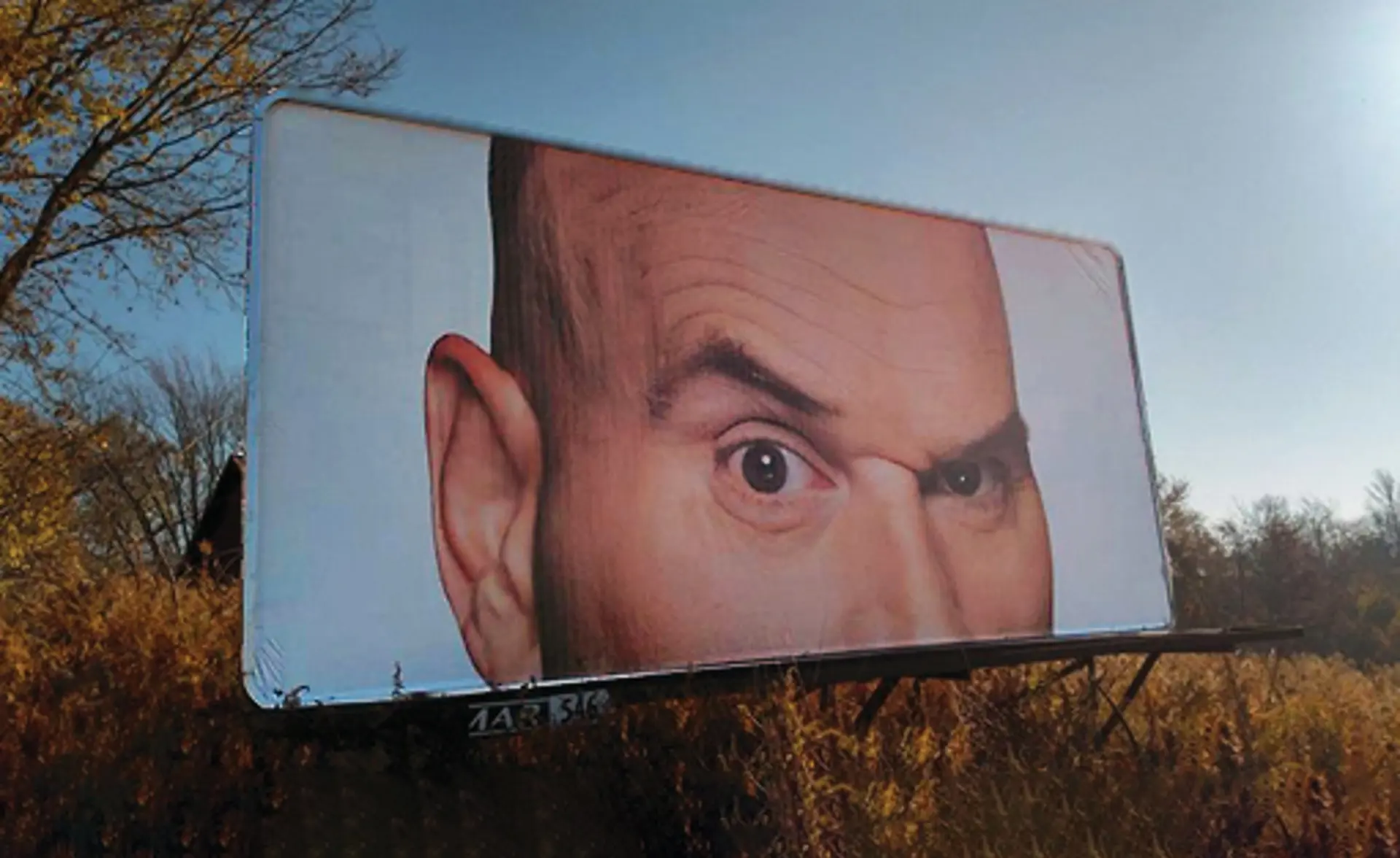
The all-seeing eyes of his many billboards stare into our souls. We’ve seen him in costumes and photoshopped onto Mount Rushmore. His head is emblazoned onto T-shirts and baby bibs. “It’s a serious business,” Misny says. “But nowhere does it say you can’t have fun with your advertising.” Now, the infamous injury lawyer who “makes them pay” is getting the film treatment. First, an artificially generated video series, The Adventures of Tim Misny, is a surreal, fictionalized version of Misny’s life. Meanwhile, Misny is involved in a documentary, The Misny Movie, following his life and work. Releasing later this year, it’s another Misny stamp on the place he calls home. “Northeast Ohio is phenomenal,” Misny says, “and I’m having a lot of fun with it.” -AN
Because Vinnie Cimino Opened a Second Restaurant
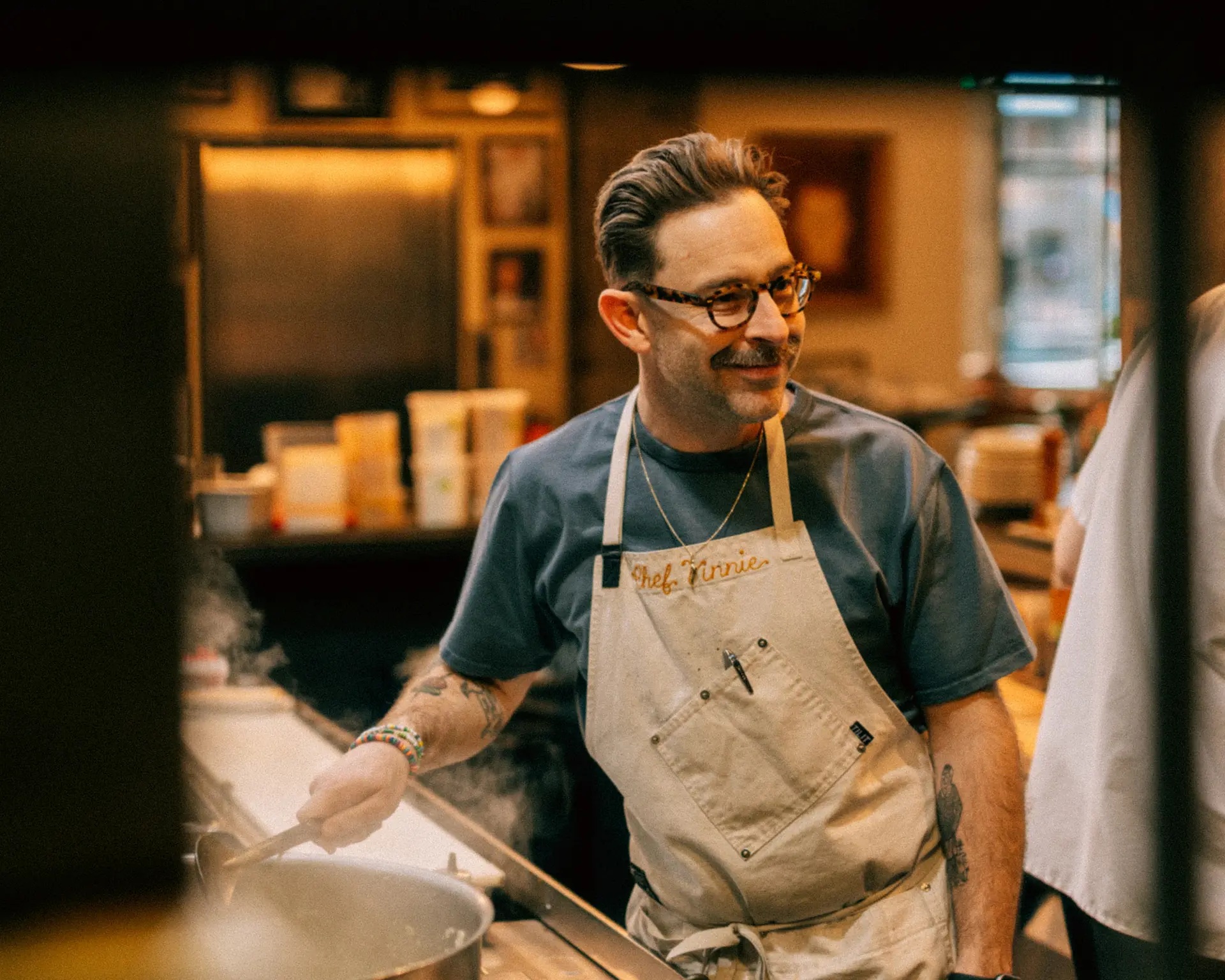
Have you seen a line around the block in Hingetown? It’s probably diners waiting for a seat at Rosy. With limited reservations, the Cordelia team’s sophomore restaurant, opened in February, is the most coveted table in the city. The live-fire eatery explores the type of Old World grub our grandparents ate, but has largely been forgotten. Unsurprisingly, chef-partner Vinnie Cimino, the city’s first James Beard finalist since Jonathon Sawyer, delivers an experience like nothing else in the area. “Rosy is about gathering around the fire, feeding people, telling stories,” says Cimino, “just celebrating food together.”
Because Shooters Is Back in the Flats
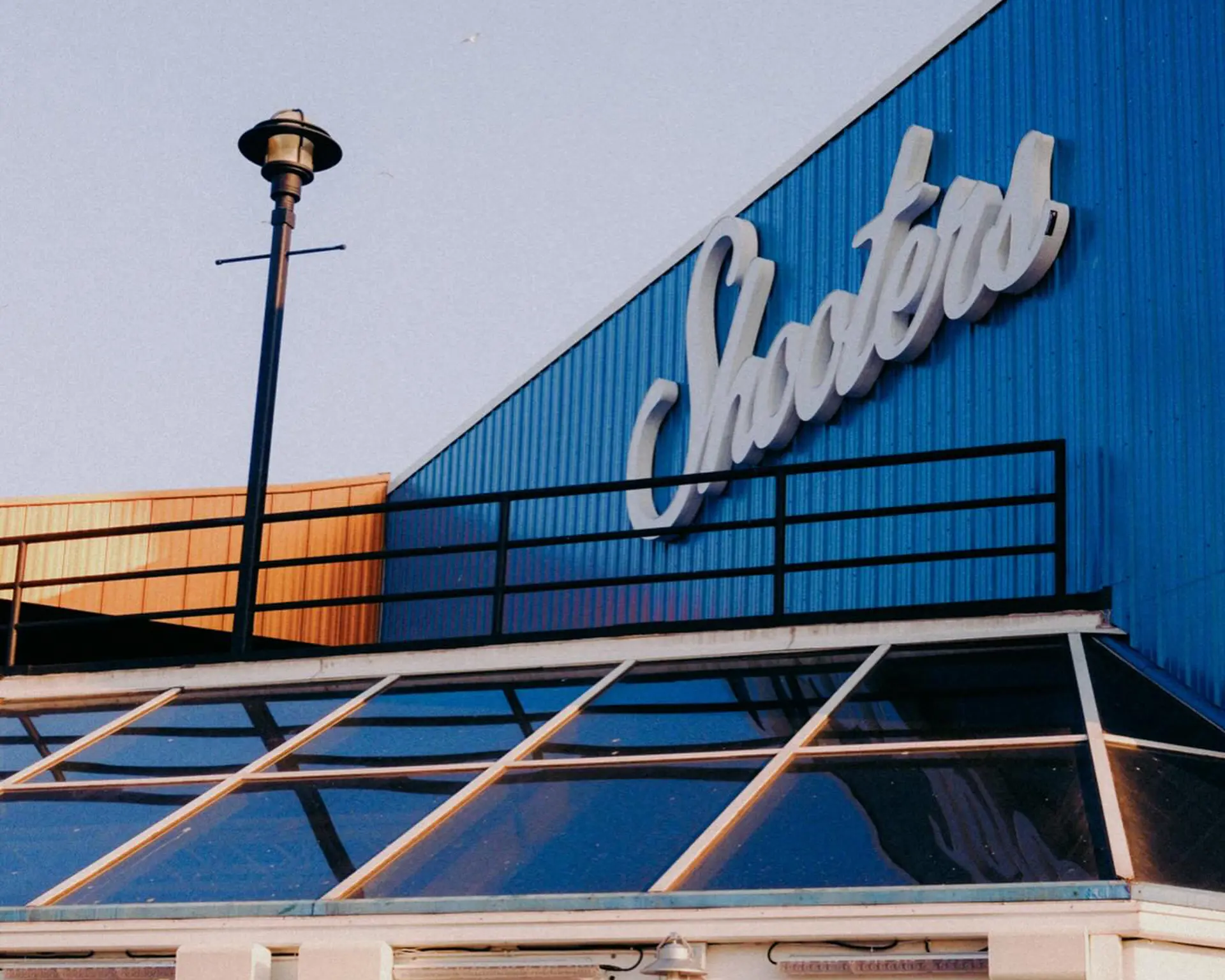
You’re a ’90s kid? Yeah, your parents partied at Shooters. Now, it’s your turn. Opened in 1987, the Key West-inspired bar revived the riverfront. It was imfamous then. On any given night, you could see a celebrity or a fight — or both, like Charles Barkley’s 1996 brawl. The restaurant reopened in March with a “Coastal Cleveland” culinary approach and extensive renovations. “Shooters is a place that belongs to Cleveland,” Boone said upon opening. “It’s about elevating the classics and creating food that feels fun, familiar and worth gathering around.” Despite refinement, with MGK involved, Shooters’ new era is likely to be wild, too.
Because the West Side Market Is Taking a Step Into the Future
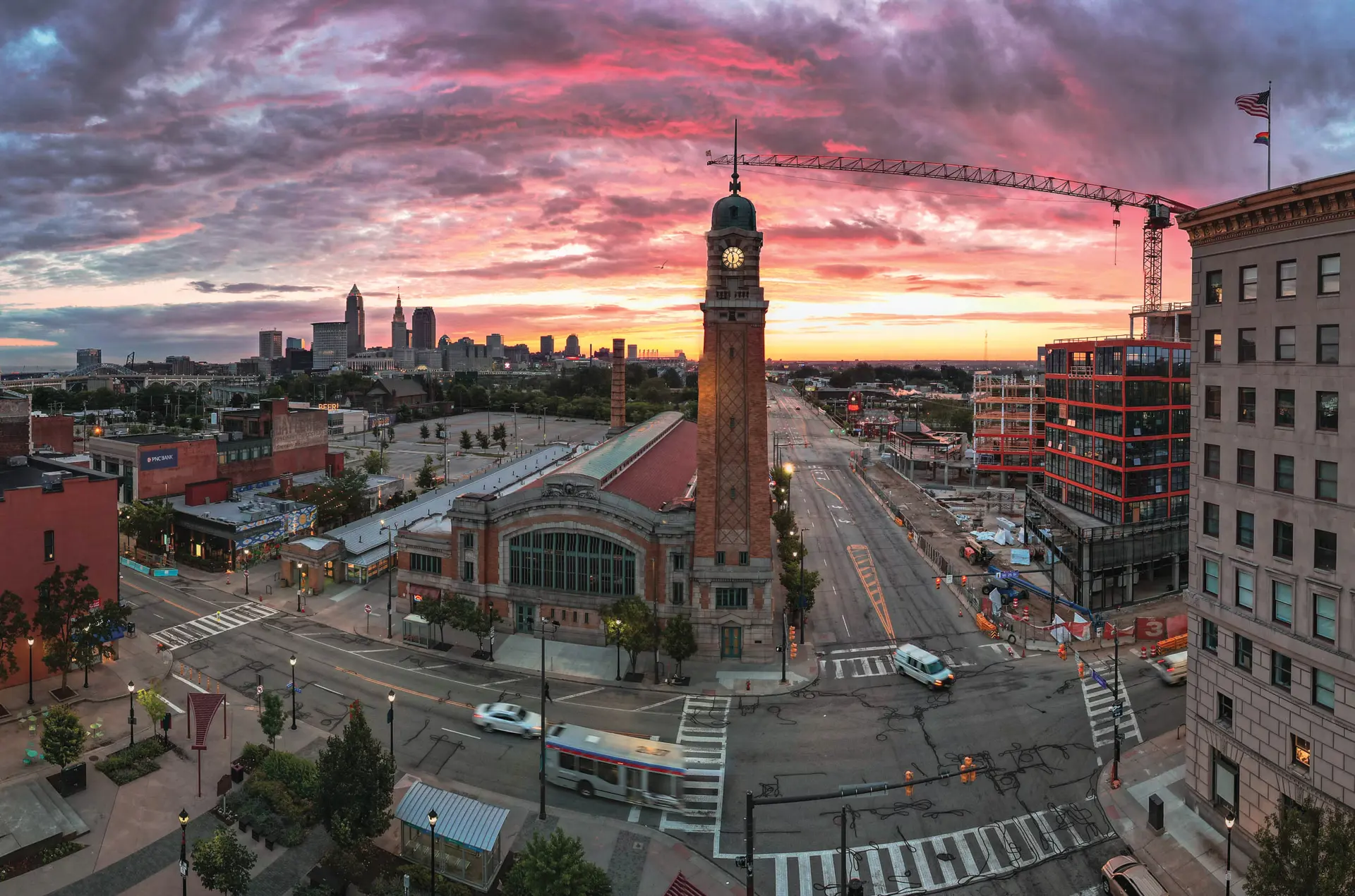
The West Side Market has towered over Ohio City for more than a century. Now, it gets a much-needed facelift. An ongoing $70 million renovation adds a prepared food hall, courtyard, venue and teaching kitchen. In January, the market debuted a refreshed produce arcade, with redesigned vendor stands, refrigeration, an HVAC system and new lighting. “It’s a totally new format. You can actually interact with the customers more,” says Brian Gaal, who manages A&J Produce, which has operated at the West Side Market for more than three decades. “Everything is brand new. Everything works.” Plump vegetables, fruits and fragrant bouquets and herbs are now at eye-level for shoppers to peruse. “It really highlights the full vision of what the project is intended to do for the Market, which is to preserve the historic architecture, enhance systems and restore aging infrastructure,” says Rosemary Mudry, the executive director of Cleveland Public Market Corp., which manages the West Side Market. ”Completion of the produce arcade has helped build trust in the project as the community can actually see the vision come to life.” Up next: a gut renovation of the basement. While most funds have been raised, Cleveland Public Market Corp. is still collecting a remaining $12 million to finish the entire building by early 2028. “I think when it’s complete,” Mudry says, “we will be the best public market in America.” -AN

Because Although We Can See the Northern Lights ...
Under the right conditions, that neon flurry offers a mini glimpse of a larger Arctic Circle show. Though Cleveland only sees the northern lights when they’re peaking, which started in 2024 and winds down this year, they’ll return bright in 2030. “It can be a fascinating light show,” says JonDarr Bradshaw, the aerospace education lead at Great Lakes Science Center, “and a good reason to stay curious.”
... There’s Nothing Better Than a Cleveland Sunset
Descending over a vast, unobstructed lakefront, Cleveland can (almost) always see the sun set. It’s sometimes the only light we get on our grayest days. Whether you watch it illuminate the concrete jungle beyond Edgewater Park, the sands of Huntington Beach, the lighthouse at Fairport Harbor, or your own backyard, the pinks, reds and oranges undoubtedly fade to vibrant blues and purples, and, when we’re lucky, a slate of stars.
Because CMA Added Its First Fashion Curator
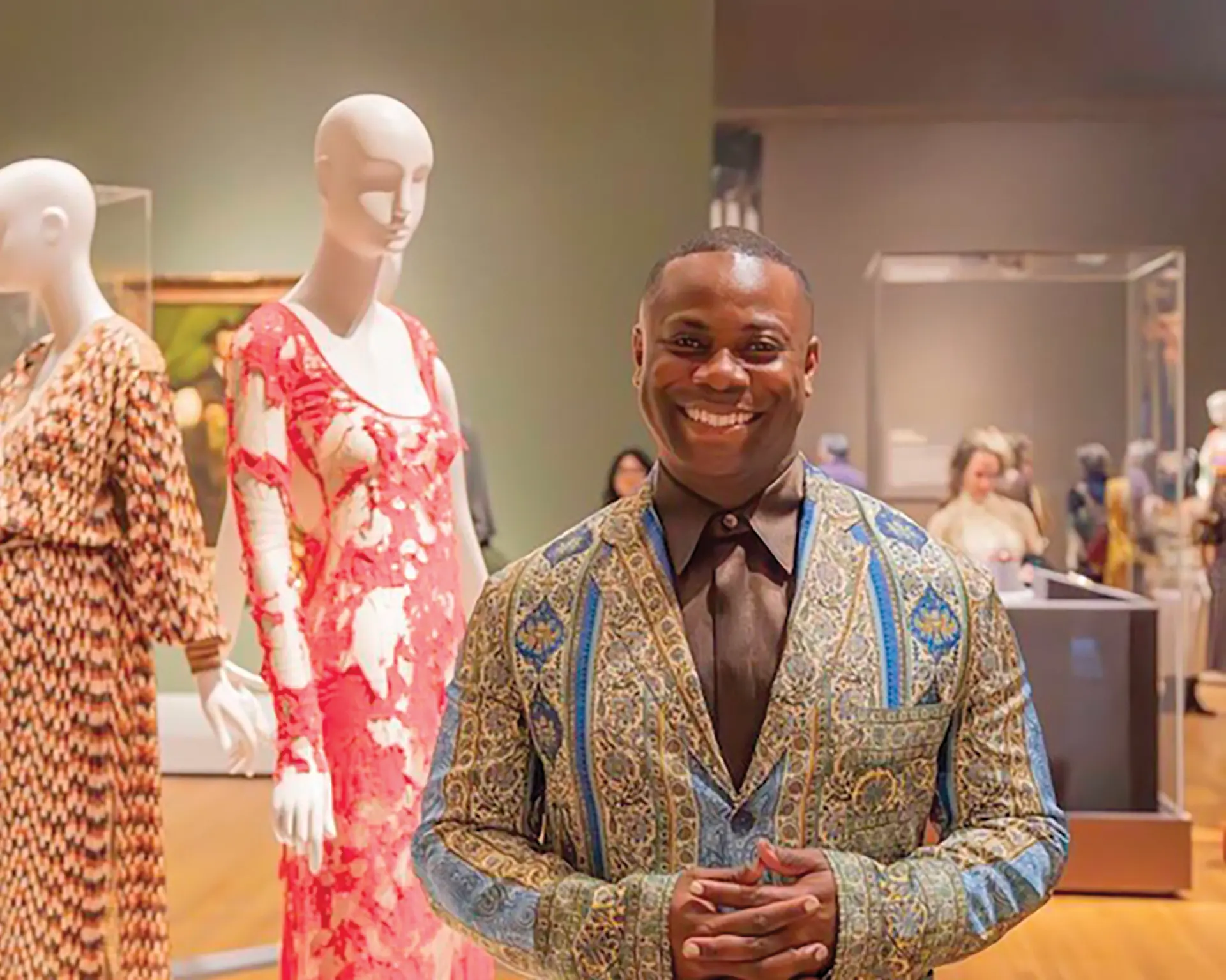
Trends come and go. But the art behind fashion is very much in vogue for art museums today. Around the globe and here in Cleveland, major institutions are embracing the art form. Last year, Louvre in Paris curated its first fashion exhibition in its two-century history. In 2017, New York City’s Museum of Modern Art showcased a fashion-focused exhibition for the first time in 73 years. The Metropolitan Museum of Art’s 2018 show Heavenly Bodies experienced record-breaking attendance with more than 1.6 million visitors. For the past few years, fashion has also been making its mark on the Cleveland Museum of Art’s offerings, perhaps nowhere as dramatically as in its recent Renaissance to Runway show. And you have Darnell-Jamal Lisby, the CMA’s first fashion curator, to thank for it. Since he was hired in 2021, Lisby has explored various facets of the medium through his work on museum exhibitions, including The New Black Vanguard, Egyptomania and Korean Couture. “Developing a department out of scratch is a very high bar,” Lisby says. “What’s been interesting is the fact that we’ve been able to develop at a more rapid pace than, probably, what other institutions have been able to do at all.” Before his work in Cleveland, Lisby worked as a fashion historian and education coordinator at Cooper Hewitt, Smithsonian Design Museum and various New York City spaces, like the Costume Institute of the Met and the Museum at the Fashion Institute of Technology. The Atlanta native grew up in the museum-filled Washington, D.C., metropolitan area, where he discovered an interest in curatorial work. Then, he was drawn to fashion curation, specifically, studying at the Fashion Institute of Technology. Fashion, and its connections to the body, was of interest to the curator, who often examines intersections of Blackness and the history of fashion in his work. Though Renaissance to Runway wrapped up its run in February, you can expect fashion to stay in the museum’s future offerings, thanks to Lisby’s work establishing the department. “I am a one-man arm,” Lisby says, “but we are talking about the future. It is in motion. Everybody will just have to wait and see.” -AN

Because the Home of Rock ‘n’ Roll Keeps Growing
In a city of iconic buildings, nothing is more recognizable than the great pyramid of the North Shore, designed by famed Chinese architect I.M. Pei. Over the past year, however, the 30-year-old museum has added an angular appendage with a $175 million price tag. The 50,000-square-foot indoor and outdoor space accounts for a 40% expansion of the campus. When the new complex opens in the fall, the free, unticketed area will feature new exhibits, expand the museum’s programming, and welcome live bands to a new 800-seat music venue — keeping Cleveland rockin’ for years to come. -DS
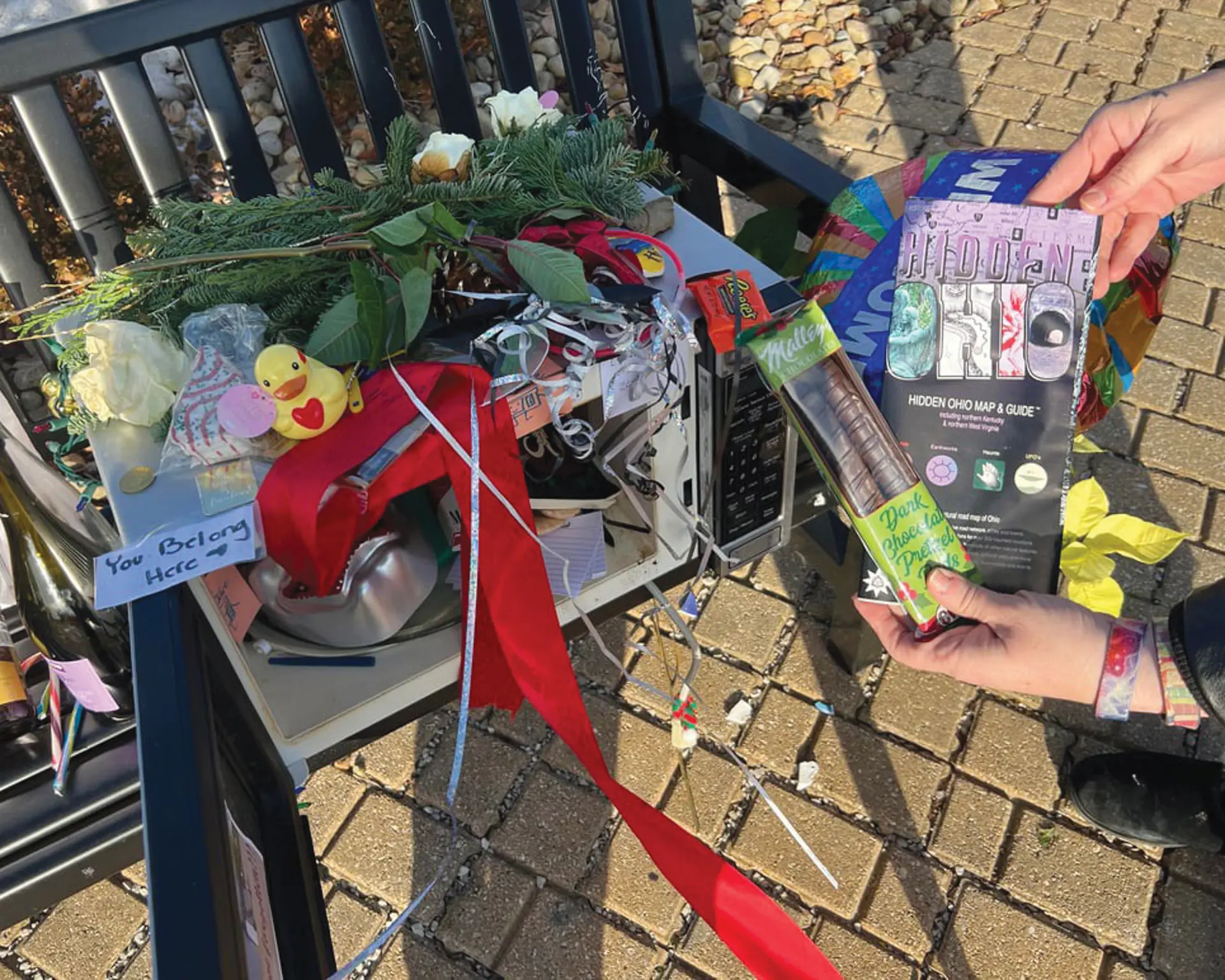
Because In Mid-Winter, We Made a Microwave Famous
Cleveland’s celebrities always leave, they say. That’s fine. We’ll make our own. Misny. Superpimp. The Sax Man (RIP). We’re so good at creating legends that, around Christmastime, local Redditors found a spark in a microwave left on a bench near a South Euclid strip mall. Commenters spun a fantastical strand of lore around its unknown origins. At first a laughing stock, it became a shrine, a beeping beacon of hope. Northeast Ohioans pilgrimaged from across the region to leave holiday offerings of ornaments, candles, notes and treats. Some people even made merchandise to commemorate the Cleveland Microwave, aptly nicknamed “Mike Rowave,” before it found a home at the South Euclid City Hall — a happy ending and proof that Clevelanders always commit to the bit. -JL
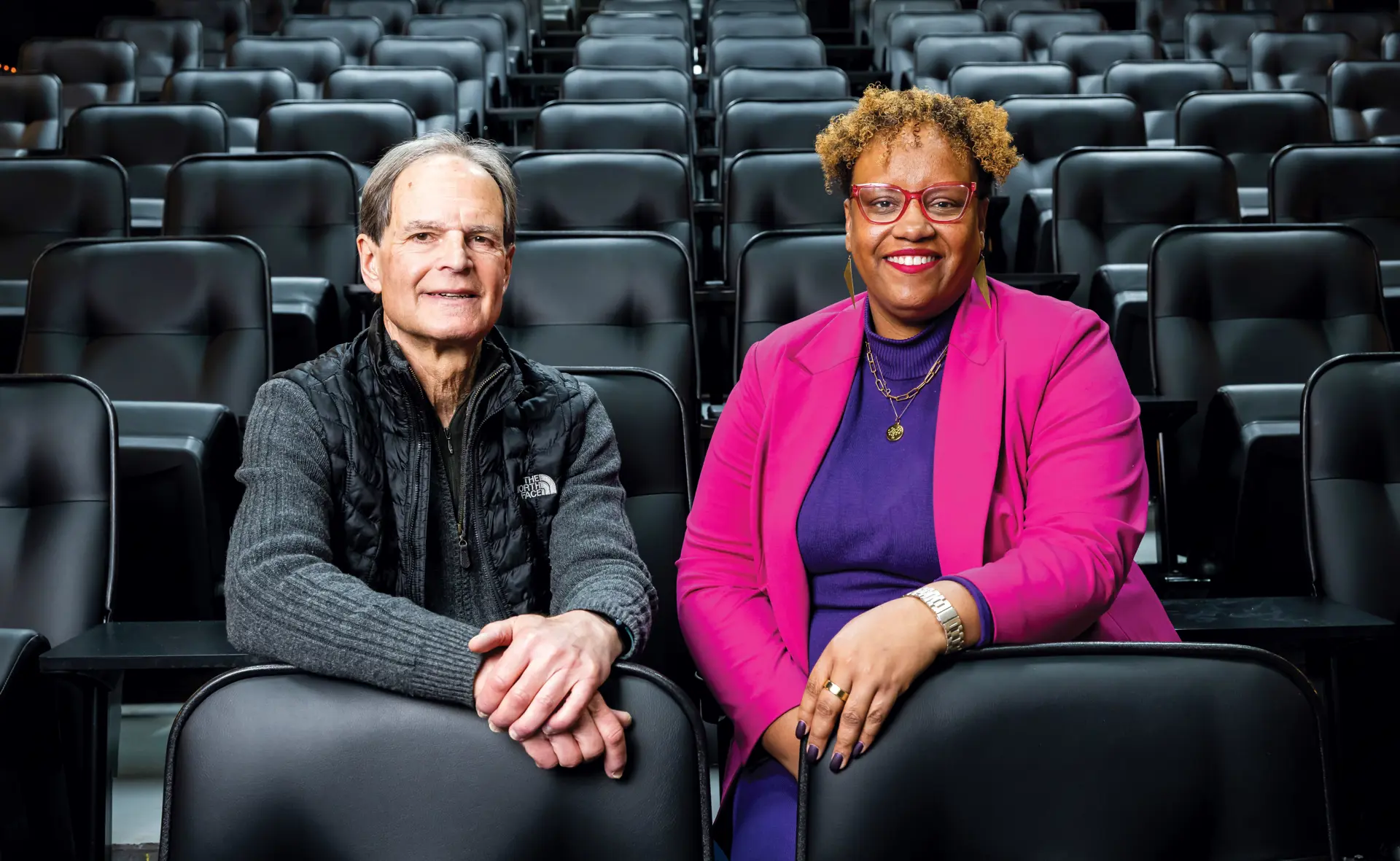
Because After 50 Years, CIFF Is Still Going Strong
Eight films made up the first Cleveland International Film Festival in 1977. Fast-forward 50 years, and it’s blossomed into a 10-day event, which will show 326 movies this April. Along with its screenings at Playhouse Square stages, CIFF returns to its roots with a significant lineup at Cedar Lee this month: an homage to the earliest years of Cleveland’s annual marquee movie event. Cleveland Magazine hosted a conversation between festival founder Jon Forman and CIFF’s current executive director Hermione Malone about the past, present and future of the beloved film fest. -AN
Hermione Malone: So, John, you started the festival in 1977. I’m really curious to know what inspired the first event. Why did you want to bring a globally focused film festival to Cleveland?
Jon Forman: I was out of work, and I needed a job. When I was a student at Case Western Reserve University, I ran the college’s film society. Students actually went to see movies in theaters because there was no internet, no streaming. Fast forward, I graduated, and had some non-film jobs, and one of the companies I was working for filed for bankruptcy, and I was out of work. A friend of mine, who helped start the festival, said, “Why don’t you start a Cleveland Film Festival?” You’re 20-something, you figure, why not? We put together the very first Cleveland Film Festival with an all-volunteer staff, and were able to rent the Cedar Lee Theatre from its owners at that time, a company called Community Circuit Theaters. We had the first festival which showed eight films in a subscription film series. At the time, the American Film theater, I think, was showing a subscription film series of some very well-produced intellectual type movies. And I said, “Well, that performance seemed to work, so let’s steal their form.” And we did it over eight weeks: one film a week, two showings each week, and it worked.
HM: Awesome. Were you at all surprised by the response?
JF: Yes. I always said it was an artistic success because it paid all the bills. I wasn’t paid. Everyone who worked was doing it as a volunteer, and it was great. The festival ends and, you know, life goes on. (In the second CIFF), we almost doubled the number of films we were showing. Again, I was concerned that Clevelanders would not embrace the concept of a festival, so we still spaced them out. I think we might have tried to grow too quickly. But again, it worked enough to cover our expenses, and the festival was a success. Festival ends, and the owner of Community Circuit (Bert Lefkowich) was in the process of divesting himself of other theaters in Cleveland. Bert said to me, “Hey kid, would you like to own a movie theater?” He basically financed the purchase of the theater. Very kind of him, although he was also a ruthless businessman, very business-
oriented. He said, “If you miss one payment, I get everything back.” I said, “That’s fair. I have nothing to lose.” So we took over the theater, and the rest, as they say, is history.
Because Cleveland Heights Is Still Totally Having Its Moment...
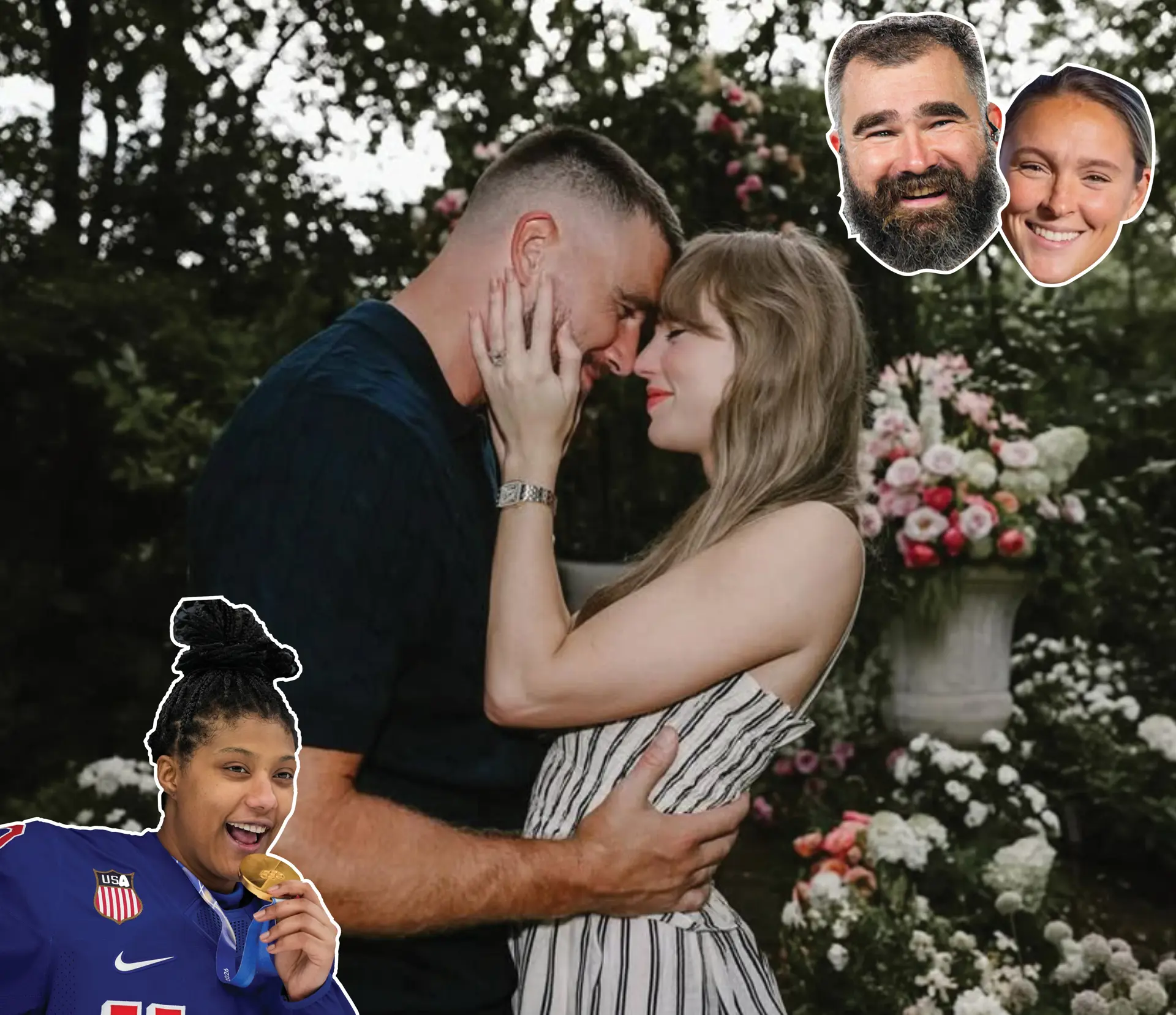
Laila Lived Up to the Hype
Was dubbing the 21-year-old hockey star the “Queen of Cleveland” before she even took the Olympic ice in the Milan Cortina games a little premature? Absolutely not. Edwards scored two goals and assisted on six more, including the crucial goal that tied the gold medal game and sent it to overtime, where Team USA secured its big victory. A few days later, when she joined Kylie Kelce’s podcast, she said it herself: “I’m the best athlete to come out of Cleveland Heights.” No objections here.
Taylor Is an Honorary Clevelander
Do you hear wedding bells? The biggest pop star on earth is nearing her nuptials with Cleveland Heights native Travis Kelce. It’s bigger than a Royal Wedding. We know few details. Despite some planning stress, the wedding is still set for June 13 (yes, her favorite number). The venue is reportedly the Ocean House, a swanky seaside resort in Watch Hill, Rhode Island. Are pierogies on the menu? Can guests watch that afternoon’s Tigers-Guards game during the cocktail hour? Will they enter their retirement era on the North Shore — perhaps in one of the opulent homes they reportedly toured in Chagrin Falls? Northeast Ohio Swifties can only dream.
Jason and Kylie Are Bona Fide Media Stars
Retirement looks anything but relaxing for Jason Kelce. Not only did his New Heights podcast, co-hosted with Travis, crack the Top 10 (OK, a certain pop star helped with that), but he’s also become a broadcast staple, appearing as an analyst and personality for the NFL, NHL and Tomorrow’s Golf League. Still, his better half, Kylie, has found even more success, knocking the podcast king himself, Joe Rogan, off the charts when her Not Gonna Lie show launched just over a year ago.
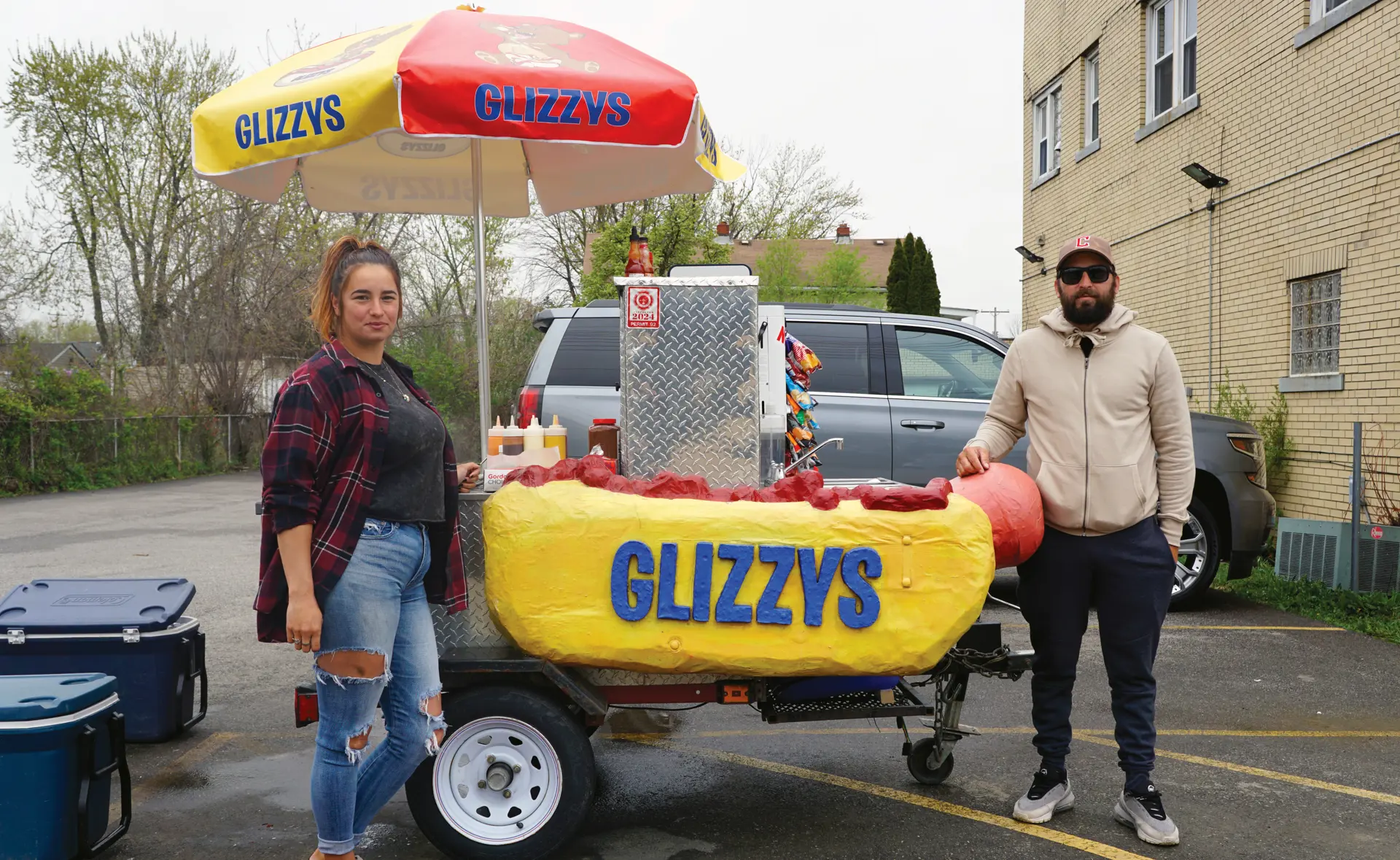
Because We're Officially a Hot Dog Town
Move over, Detroit. Cleveland is officially beefing up. In the heart of the city, you’re never far from the irresistible smells of a weenie cart on most street corners, and you can find even more unique takes on franks in area restaurants. Last year, Lakewood’s LBM hosted its “Hot Dogs Around The World” series in the second half of 2025. Every Monday, the restaurant and cocktail bar debuted a different style, ranging from German currywurst to deep-fried South Korean gamja dogs, Kansas City Reuben dogs and cheese curd-topped Wisconsin glizzies. Speaking of glizzies, the Glizzys hot dog-shaped cart has attracted a loyal fanbase in the past few years for its over-the-top footlongs twirled in bacon and sprinkled with Flamin’ Hot Cheetos. “We want it to be an experience,” says co-owner Laurisa Raimondo. “We don’t want a regular restaurant where you walk in, you get your food and you leave. We want it to be something to remember.” Of course, Happy Dog paved the way for making such big twists on classic carnivore fare. The Gordon Square restaurant, bar and music venue is now in its 18th year of offering customizable creations, which hungry customers build through an unlimited checklist of toppings including SpaghettiOs, Froot Loops, alien pickle relish and sunny side up eggs. There’s a lot of fun to be had on a hot dog, but you can never go wrong with a no-nonsense approach. For a straightforward ketchup-and-mustard vibe, visit a classic spot like Johnny Hot Dog, which has been in operation in Cleveland’s West Side Market since 1942, or swing by Amherst’s Hot Dog Heaven or Parma’s Hot Dog Diner for a greasy paper bag filled with goodness. Above all, keep an eye out on menus for our city’s delicacy, the Polish Boy. At Whitmore’s Bar-B-Q in Warrensville Heights the dish marries kielbasa with toppings of French fries, coleslaw and barbecue sauce: a taste of pure Cleveland. -AN

Because NASA Glenn Is Helping Man Return to the Moon
“This is where the magic happens,” aerospace flight systems engineer Joel Knapp says, gesturing to four desktop screens in an office room in NASA Glenn Research Center’s Telesite Support Center.
The Artemis II mission, slated to launch the Orion spacecraft from Florida’s Kennedy Space Center this year, is set to possibly take astronauts farther from Earth than ever before, before looping back earthside.
All eyes are on the sky for this first crewed spaceflight around the moon since 1972. When the rocket revs up to leave Earth, a group of Cleveland scientists will be monitoring the mission’s real-time telemetry data, monitoring Orion’s powerhouse, the European Service Module.
“If everything’s working, it’s a piece of cake,” Knapp says. “You’re just on the edge of your seat, waiting for them to send a command or initiate a certain action, and then seeing if that action occurred properly and that the data matches what you’re expecting to see.”
Before both Artemis missions, the Orion spacecraft was rigorously tested in Sandusky’s Armstrong Testing Facility’s space environments complex. There, it was ensured the ship was prepared for the rigors of space travel, with scenarios that included acoustic blasts, vacuums and extreme temperatures.
“The facility is unique in that it’s a one-stop shop for these types of tests,” says Aaron Weaver, NASA Glenn’s chief of human exploration and space operations projects.
Currently, Weaver and his team are also testing the human landing system, which should deliver humans to the moon in 2028, and doing research on rover tires. It all amounts to something huge: After 2028, NASA Glenn research will contribute to developing a permanent base on the moon — and, beyond that, a human mission to Mars.
“We have an important role to play here,” Weaver says. “We should recognize this as a really big asset in our community.” -AN
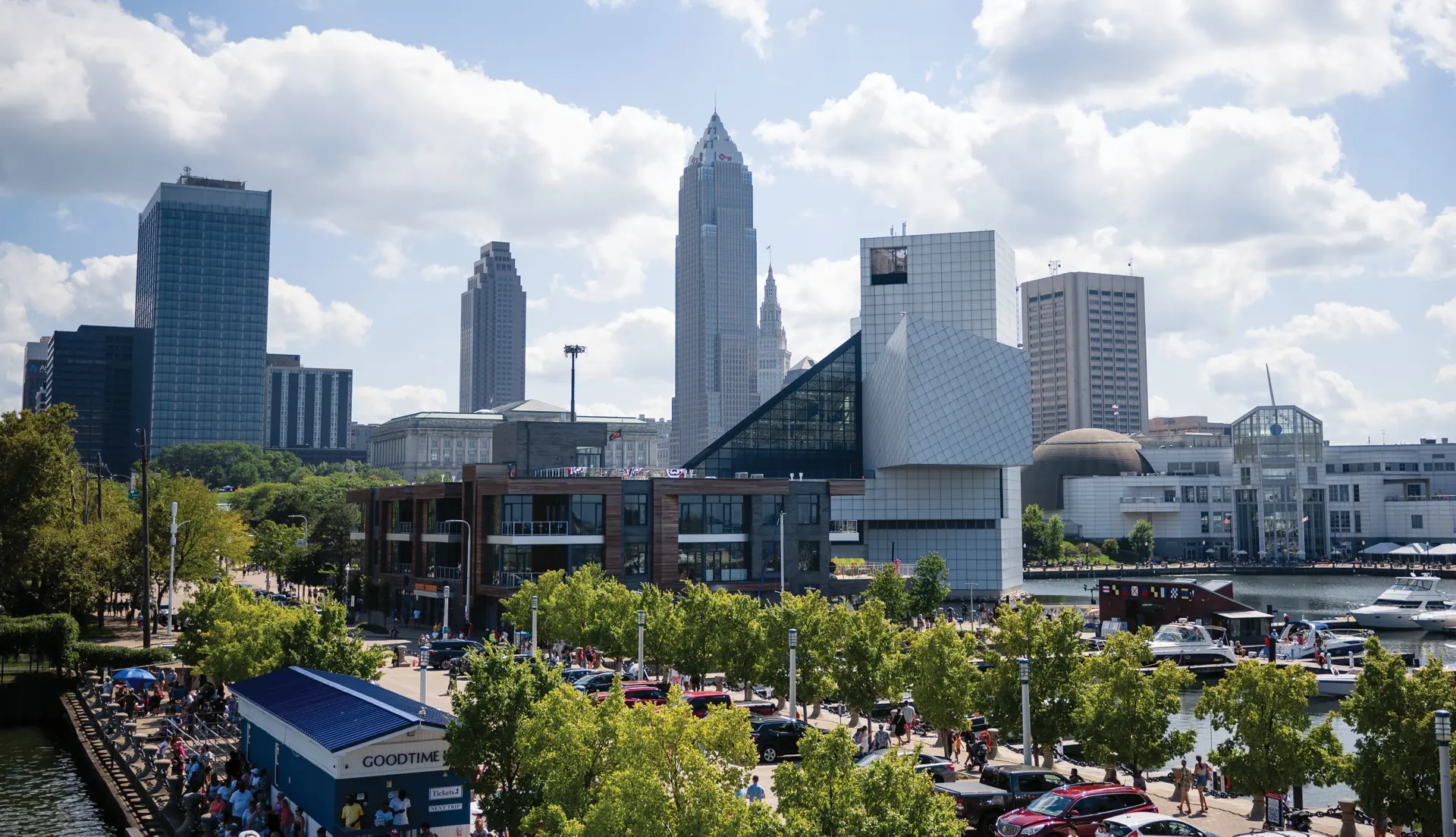
Because We Might Finally Take Advantage of our Lakefront
Folks once flocked to Cleveland for the economic advantages that came from being a city on a lake with a river flowing through it. And then, for generations, the city walled itself off from its lakefront. Those barriers might come down with the Browns’ stadium moving. Mayor Justin Bibb, looking for a bright side to the team’s decision, is now renewing a push to close the low-traffic Burke Lakefront Airport. Compounded with the stadium’s footprint, those two moves would open up 5 miles of shoreline and over 500 acres of lakefront property for recreation and mixed-use development. For reference, that’s as much as 88 football fields. That’s not incremental change, says the mayor. That’s generational change. “By leveraging our waterfronts, these can be major drivers for new revenue, new population and new growth for our city to be competitive long-term,” Bibb says. Some money is already pouring in. The Browns pledged $100 million to kick off the lakefront project. That drive pushes Cleveland to embrace its Great Lakes identity in unprecedented ways, with recreational activities, events, scenic views and a new epicenter to enjoy our most important natural asset. These are all elements a lakefront city requires and ones that Chicago and Toronto have leveraged. “There’s a big difference between being a city on the water and a waterfront city,” says Destination Cleveland CEO and president David Gilbert. The latter is coming now, and Clevelanders are ready to bask in the true benefits of the beautiful Lake Erie. -JS
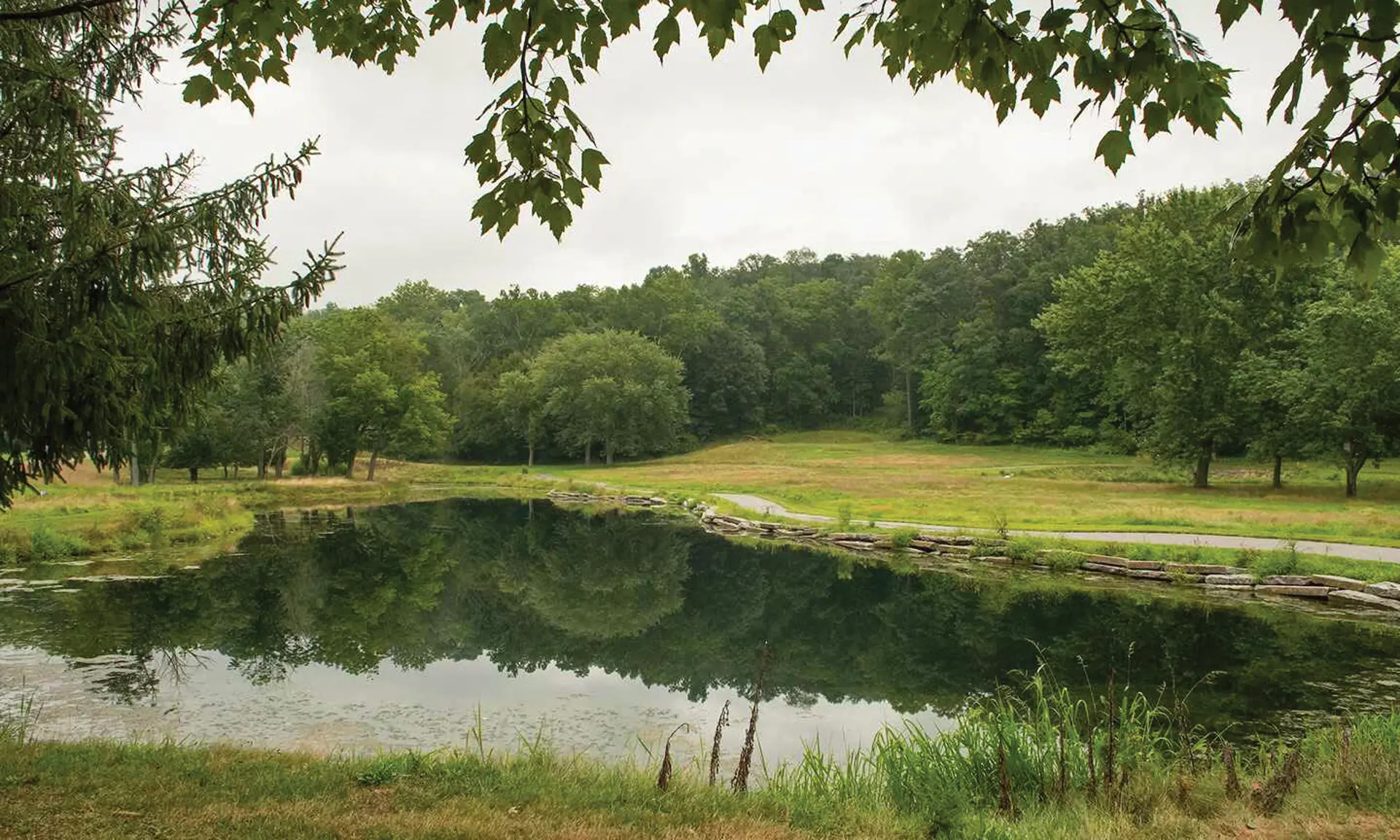
Because Defunct Golf Courses Are Going Green
With so many great courses, golf rules spring, summer and fall recreation in Northeast Ohio. However, golf courses are also a bit of a monstrosity. Upkeep litters the ground with pesticides and can consume tens of thousands of gallons of water daily. That polluted groundwater, plus the monoculture of large fields of manicured grass, wreaks havoc on local habitats and biodiversity. They often even reshape natural water systems, such as ponds and rivers. That’s why a new movement to replace defunct golf courses is a total hole-in-one. Across Northeast Ohio, acres that once demanded trimmed fairways and chemically treated grass are slowly returning to wetlands and wildflowers. Orchard Hills Park in Chesterland is now filled with native plants, streams and trails. In 2008, Geauga Park District became the first in Ohio to convert a former course when it started restoring Orchard Hills, turning it into a 237-acre property, complete with 3.6 miles of trails, an orchard-themed playground and a sledding hill. Since then, park districts across the region have followed suit. At Veterans Legacy Woods in Newbury Township, a former course within the Cuyahoga River watershed, restoration efforts include creating a rare cold-water stream by channeling a natural groundwater spring. The project, another by Geauga Park District, helps stabilize water flow and filter runoff before it reaches the Cuyahoga River — protecting it from flooding and harmful pesticides. Now, the 180-acre park features a 3.8-mile trail system, a playground, a pavilion and a tribute to our armed forces. The Cleveland Metroparks have embraced the approach as well. Acacia Reservation, the Metroparks’ first golf course restoration project in 2012, has since flourished with native plants, trees and shrubs. The 155-acre green space is now a popular spot for birding. Restoration by the Metroparks is also underway at Hawthorne Golf Course, a historically beloved course in Solon. “Golf courses in general are not the greatest things for the environment,” says Paul Pira, Geauga Park District park biologist. “It’s always a good thing if you can take some of them and convert them into a useful natural park.” -KK
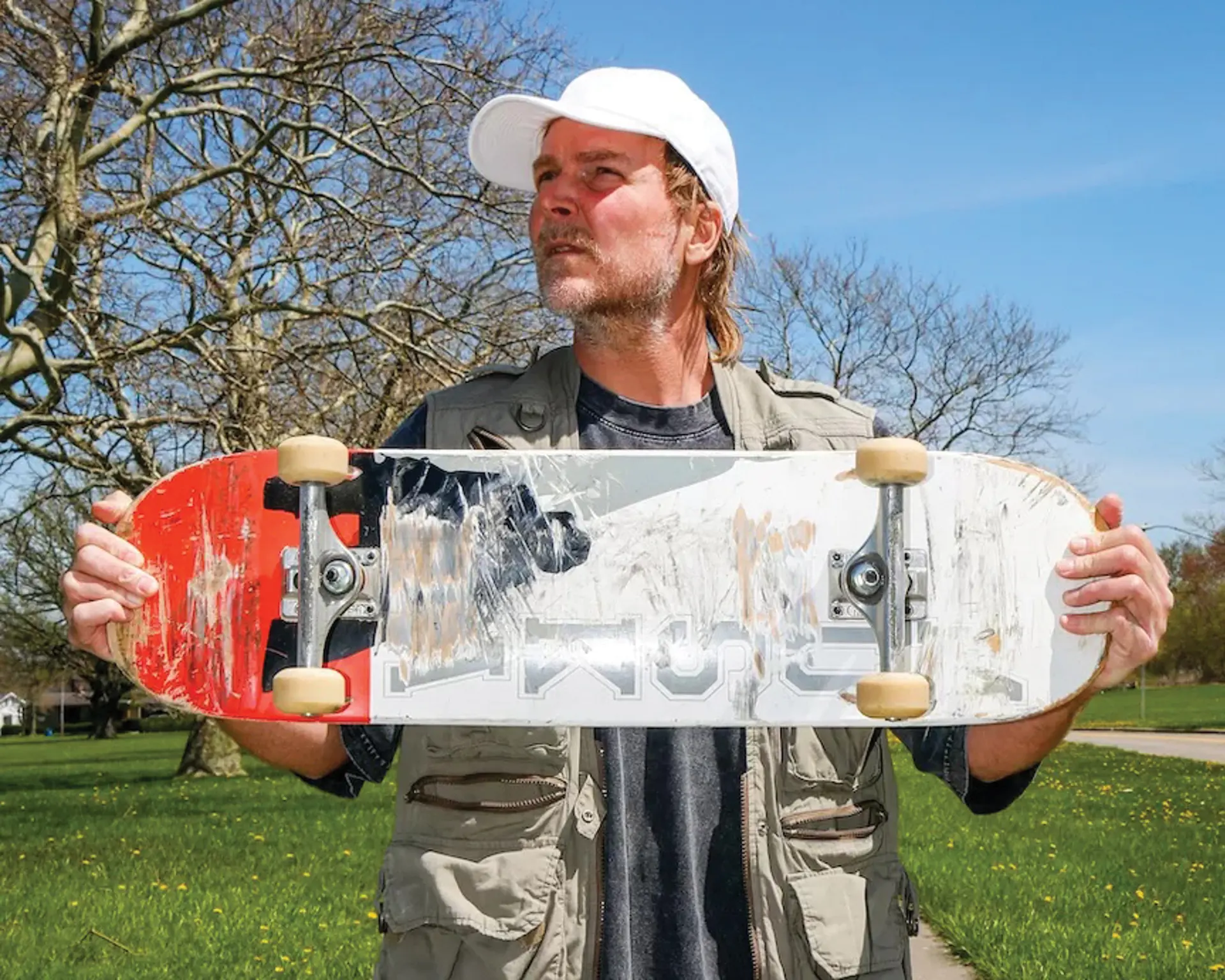
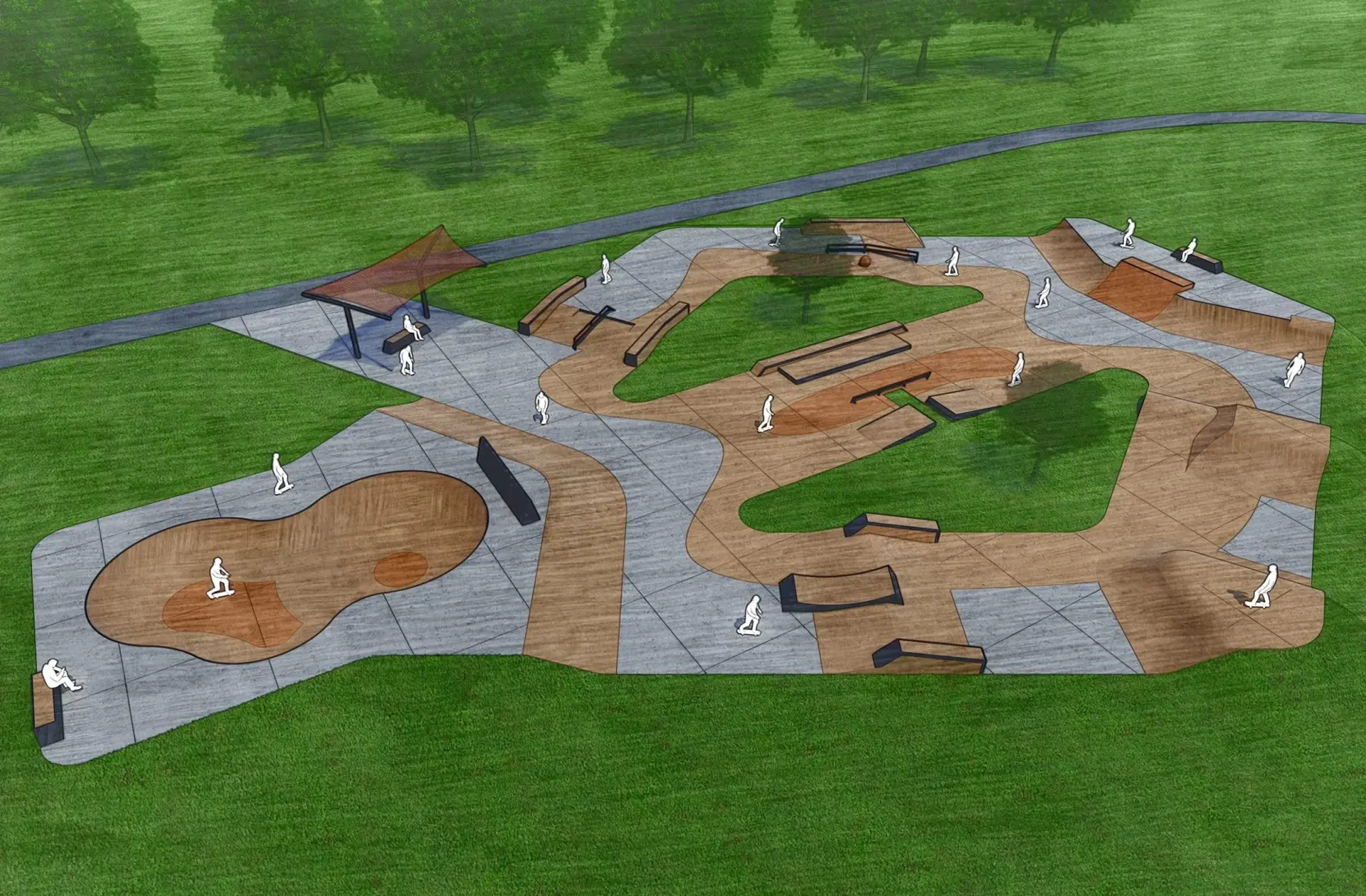
Because We’re Becoming a Great Place to Board
A generation of 2000s kids turned to skateboarding, inspired by the Tony Hawk Pro Skater video game franchise. Twenty years later, Chad Muska, a main character in the game and a real-life pro skater, is doing the same for Northeast Ohio kids. The area’s largest skate park is now under construction in Lorain, largely thanks to Muska. The Lorain native’s $20,000 donation put a dent in the $1.3 million project with 17,000 square feet of ramps, ledges, rails and banks. The key-shaped skate campus should be ready to ride by November.
“Where you’re born is such an important part of you,” says Muska. “Being able to give back felt good and was the icing on the cake for my career.”
When Muska was growing up, skaters had a bad reputation. They weren’t athletes. They were noisy troublemakers, riding in places that threatened businesses’ liabilities and pestered their customers. Yet, they often had nowhere else to go. “In my day, it was kind of an outcast subculture of the world,” Muska explains. “I never could have imagined it exploding like this.”
Now, skateboarding is an Olympic sport, with global training facilities and brand sponsorships. High fashion and design draws from skate culture. The creative work of late Louis Vuitton art director Virgil Abloh, for example, was heavily inspired by his own skateboarding background. As the culture of skateboarding rapidly expands, facilities struggle to keep up.
The next generation of Lorain skateboarders might have been left without a place to skate if not for Muska’s Longfellow Skatepark. It’s a life-changing situation for young skaters, from those dreaming of skating professionally to kids looking for recreation and friendship, seeking a safe place to practice.
“The kids wanted to make this happen long before I was an advocate,” Muska offers. “It was a community project.”
Infrastructure alone didn’t lead to mainstream adoption. Scroll skateboarding TikTok, and you’ll see viral videos of older skaters at skate parks teaching youngsters. Locally, Avon’s Advocate Skate Works offers youth support, having distributed more than 15,000 brand new shoes and 1,000 skateboards to underprivileged children. The organization also provides safe meet-ups for girls and LGBTQ+ individuals. Skate shops like the 30-year-old West Side Skates hosts its own meet-ups, and it recently advocated for expanding the longstanding skatepark in its hometown of Lakewood.
Though it’s no longer just for outcasts, skateboarding remains more than just a sport — it’s a community. -LM
Because @cultureswapp Is Bringing Us Together
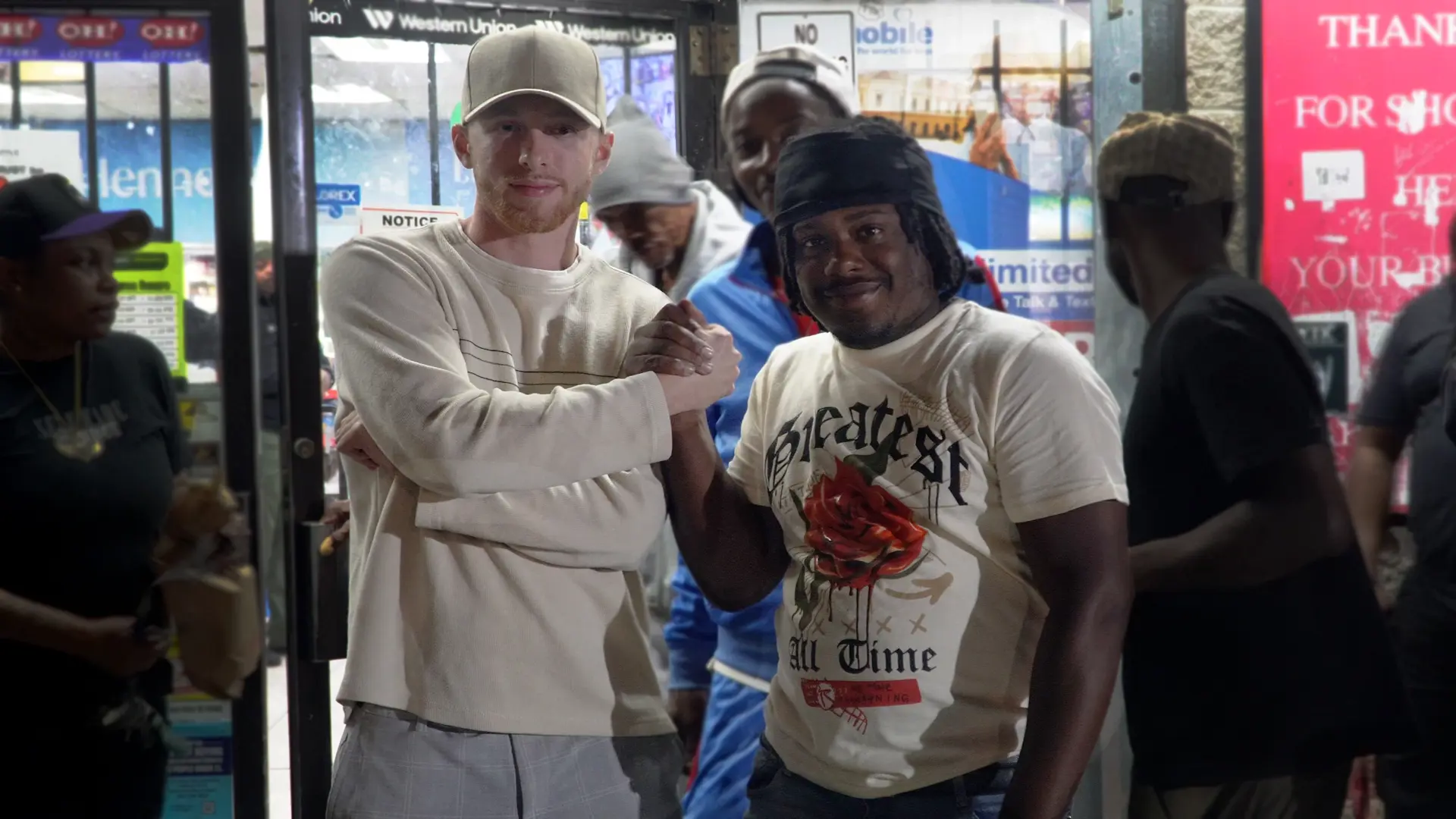
Timothy “T Bone” Sweeney and David “Solo” Bost have built an online following by trading places. In their viral videos, the duo introduce each other to experiences often framed around cultural stereotypes, under titles like “Bringing My White Friend to Do Black People Sh--” and “Bringing My Black Friend to Do White People Sh--.” Videos feature Solo skiing or playing pickleball for the first time. Other clips show T Bone stepping into a Black barbershop or a neighborhood corner store. The titles are intentionally clickable, but the tone is lighthearted. “We thought we might get more backlash,” Sweeney says, “but the top comment on one of our videos was, This is so wholesome. That surprised us.” One impactful clip came from a deli on the corner of East 84th Street and Superior Avenue. The video racked up more than 52 million views, sending a wave of curious new customers to the neighborhood spot. “We didn’t really realize that we had the power to do something like that,” Sweeney says. At its core, the series explores cultural crossover, with Sweeney having grown up in Cleveland Heights and Bost in Cleveland’s St. Clair-Superior neighborhood. For Sweeney, the videos have changed how he sees the city. Filming with Bost broke down misconceptions he had about Cleveland after growing up in the suburbs. “The sense of community over there is real,” Sweeney says about the city. “People look out for each other.” At the heart of it all is something distinctly Cleveland, a powerful pride in the 216 that flows through neighborhoods and backgrounds. Their goal is simple: Step outside your comfort zone, laugh a little and realize you might have more in common than you think. “Honestly, I just want to bring people together,” Bost says. “No matter what community you’re from or what race you are, I want people to see each other working together and getting along. That’s really the whole point of what we’re doing.” -CR
Because We Host Some of the World’s Biggest Events
The 2010s marked our breakout era as a major event destination. Civic booster collaborations led to visits by the Republican National Convention, the MLB All-Star Game, the NCAA wrestling championships and March Madness basketball. A World Series run and an NBA championship didn’t hurt. Despite COVID threatening a slowdown, Cleveland has already hosted the 2021 NFL Draft, an NCAA Women’s Final Four (featuring the sport’s most famous player) and 2024 solar eclipse parties. Still to come, an AHL All-Star Classic, the 2030 Special Olympics USA Games, World Cup soccer previews, and a domed stadium with the right stuff to host an NCAA Final Four or even a Super Bowl.
Because The Cavs Invest in Cleveland, On and Off the Court
Before the Browns stadium debate, there was Dan Gilbert’s 2010s battle to rebuild the Cavs’ arena. The billionaire begged for a handout (more than $70 million), almost lost, but of course didn’t, leaving a bitter taste in many Clevelanders’ mouths. Yet, Gilbert’s make-good isn’t half bad. On the court, he’s delivered. Not a championship, but a consistently competitive team with flashes of brilliance, like last year’s hot start and historic 15-0 win streak, just a few years off a rebuild. The team continues to nab stars, like Donovan Mitchell and James Harden. Yet, Gilbert’s $3.5 billion investment in a 35-acre Cuyahoga Riverfront redevelopment, which includes the Cleveland Clinic Global Peak Performance Center, a park and a music venue, is arguably the more impressive play call.

Because Our Ever-Expanding Cultural Gardens Continue to Honor Our Immigrants
Cleveland is a city of immigrants. Always has been. Always will be. Need proof? Take a two-mile stroll down Martin Luther King Drive through Cleveland’s Cultural Gardens, where the city’s global story is told. That story is still unfolding with two exciting updates. The Colombian Cultural Garden, which unveiled plans in 2024, is the first Latinx garden in the entire park. The African American Cultural Garden is moving confidently toward Phase 2 of development. The African American garden, dedicated in 1977, already features the “Door of No Return,” a structure symbolizing the departure from Africa, and eight commemorative trees. The expansion builds upon the past, present and future of Black Clevelanders with a water feature representing the journey from slavery to freedom. A new platform explores themes of autonomy and collective ownership to create a space to honor history, celebrate cultural legacy and reflect on the lived experiences that have shaped Cleveland. Meanwhile, the Colombian garden’s arrival marks a long-overdue milestone — not just for Colombians, but for all Latinx immigrants who will be represented for the first time. A traditional Colombian house will offer a structure unlike any other in the gardens. Over more than 250 acres, these gardens are more than just monuments. In August, the Cultural Gardens will host the 80th annual One World Day event. This vibrant gathering blends languages, music, food and traditions, showcasing nearly 50 ethnic groups. Conversations and celebrations culminate in a naturalization ceremony, an event that reminds us of the strength and beauty that comes from Cleveland’s diverse communities. -KK
Because Cleveland Is Under Construction
The 2016 championship year was as much about dreaming as it was about celebrating. Development beat writer Ken Prendergast reminds us why the city’s future is still bright.
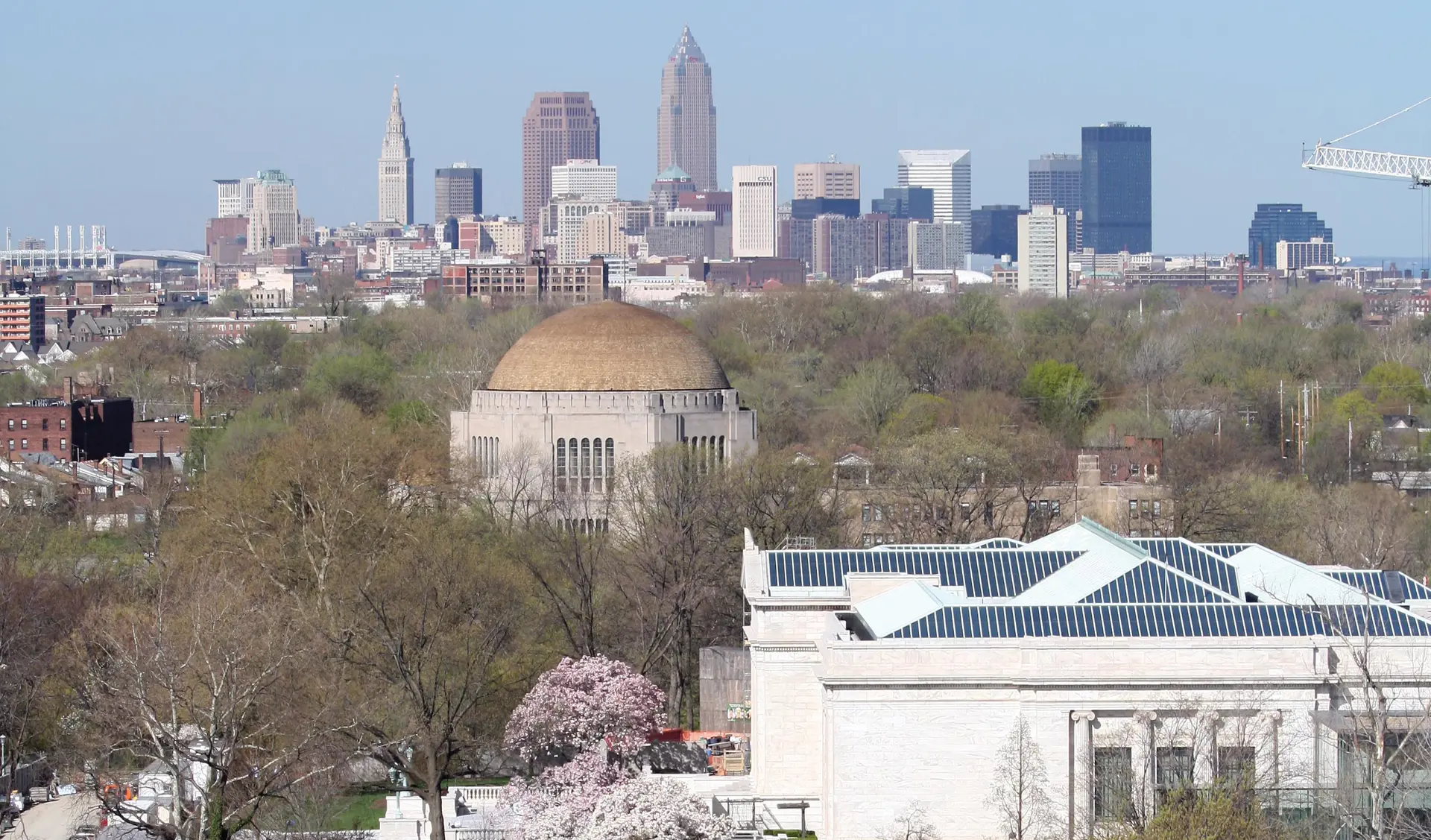
When I want to learn about my city, I take newcomers for a tour. As a real estate blogger and a closet historian, I know where just about everything of significance is. I know where some things used to be and where they’re going to be. But what I often enjoy anew is appreciation.
I take Cleveland for granted sometimes. We all do. We see the bridges, the towers, the parks, the river and the lake every day. We don’t notice them anymore. Sometimes we even curse the additions for complicating our daily routine. We have gotten accustomed to construction. Yet, as a person of a certain age, I recall when construction projects in Cleveland were like a 50-degree January day. In 1976, there were nine building permits issued for new-construction homes in the city of Cleveland. Nine. The rest of the ’70s wasn’t much better. Today, when I give tours of the city, my guests are amazed at how much construction is happening. I’m amazed, too, and I write about it every day.
A ride down Cleveland’s main street, Euclid Avenue, from Public Square to University Circle, is mind-blowing for someone my age. With the new Sherwin-
Williams HQ, there are now four towers of 600-plus feet around Public Square. The bustling East Fourth Street was once a scary cut-through street from the pawns of Prospect Avenue to the aging offices of Euclid. Now those pawns are great restaurants to support Gateway events. The old offices are nearly all residences. Between them are 23-, 28-, 29- and 34-story apartment towers — all built in the last decade. Playhouse Square, one of the largest theater districts in the country, continues to add new amenities. Next, we pass Cleveland State University, formerly a commuter-only school, today rich with campus life.
The MidTown area is still lagging, but not for long. The Warner & Swasey factory, vacant for 40 years, is getting renovated with apartments to join with those at the Agora mixed-use venue. The Cleveland Foundation moved its headquarters to Hough, a neighborhood in MidTown, and added its MidTown Collaboration Center, filling it with bright, inventive, often young people.
On tours, I announce: “We are entering Downtown Cleveland ... Clinic.” A city within a city, with tens of thousands of caregivers at the Main Campus and thousands more visitors. Even with gerbil tubes connecting lookalike buildings, it’s an impressive sight to behold. On one tour, a first-time visitor to Cleveland asked me, “Which building is the Clinic?” I responded, “All of them.”
We leave Fairfax and enter University Circle to visually sort through a mix of classical and modern architecture, beautiful parks and the Case Western Reserve University campus. To me, it’s even better at night, with new, luminous residential towers, historic halls and museums reflecting off the Wade Park Lagoon. More is coming, which will only add to our cultural district’s vibrancy.
And that’s perhaps the most exciting part of my tours. Cleveland is always changing, adding new stuff, and not just on its main street between Ohio’s first- and fourth-largest employment hubs. I tell tourgoers about Gen. Moses Cleaveland arriving here in 1796. I tell them about the huge Republic Steel mill built on the swampy Scranton Peninsula, only to yield to nature a century later. On that land, cleaned of chrome toxins, a new neighborhood has risen in the last few years. Across the water is a 25-acre hillside, rebuilt to support itself and the forthcoming Irishtown Bend Park, in part to remember those who were tough enough to make it this far and start over.
That’s what Cleveland is doing. It’s starting over and reinventing itself. Cleveland survived its loss of manufacturing with enough strength to pursue a post-industrial conversion to a thriving economy of eds and meds, experiential venues, and new apartment buildings. None of this just happens. Someone decided to build it. And each new construction project changes Cleveland a little more. So go learn about your city by giving a visitor a tour from the perspective of your own life experiences. Note which construction projects might have changed your Cleveland in your time here. You just might learn something new about your city — something new to love. -KP