
Cleveland Museum of Art’s “ArtLens Reimagined” Makes Art More Accessible
The experience’s design, powered by artificial intelligence, allows museum guests to dig deeper into its far-ranging collection.
by Chloe Banno | Sep. 5, 2026 | 9:00 AM

Courtesy Cleveland Museum of Art
“For the benefit of all the people forever.” Cleveland Museum of Art’s mission statement was written in 1892, before the museum was even built, on the deed which gifted Jeptha Wade’s land to the institution. Its sentiment is still pursued 134 years later.
The ArtLens gallery opened in 2012, originally called Gallery One. The exhibition has since aimed to bring the museum’s extensive collection into reach and allow visitors to interact with and understand the art like never before.
If you think your visit to ArtLens last summer was enough, don’t be fooled. This summer, the ArtLens experience was completely revamped, forming a more immersive journey. This new iteration, ArtLens Reimagined, nods to its roots with returning elements and activities, while adding new technology to the mix.
“The purpose is not to distract; it’s to engage,” says Jane Alexander, ArtLens leader and CMA’s Chief Digital Information Officer. “It gives people a way into the collection.”
Inside the first-floor exhibition, the art comes to life. With eyes on a screen that follow passersby across the room, not only are visitors introduced to the art: They become one with it. A digital wall mirrors the people in front of it with hundreds of collection pieces and paintings, some of which speak to guests through speakers and text projections.
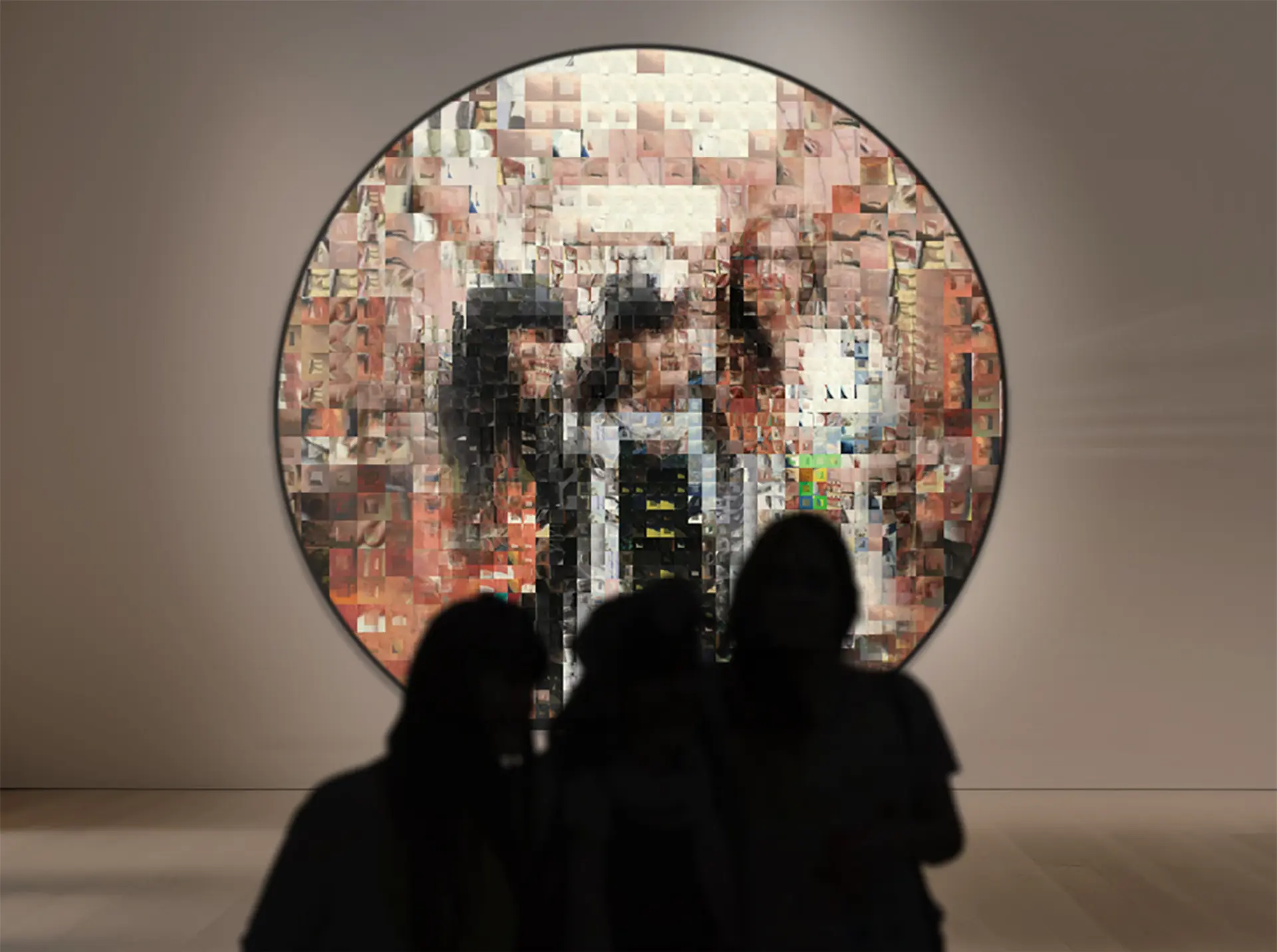
The engine of the revamped ArtLens experience is artificial intelligence, which can be offputting in the art community.
“We’ve been using AI for over 15 years, but we use it responsibly,” Alexander assures. “We truly use it as a tool to do things that we couldn’t do otherwise.”
The museum’s AI use is in a “closed model,” she says, meaning that it stays within the scholarly research of the organization and does not pull from the internet.
“We believe in the rights of the artists, ethical practices and low energy,” she says.
CMA keeps tech support on site and scholars available for manual fixes when the AI falls short or makes a mistake. Ensuring that guests avoid running into technology issues allows them to stay completely immersed in the experience.
“It’s all about the art,” Alexander says, “never about the tech.”
During our conversation, Alexander looks on at a young boy experimenting with the “Art in Arms Reach” activity. The boy stretches his arms out as wide as he can, challenging himself to keep going further, as artwork fills the space between his hands. A portrait painting stays on screen as he reaches his maximum wingspan, and he cocks his head to stare at the piece for an extra second before running on to the next activity.
“I guarantee that boy will remember that piece,” Alexander says. “He will look at it longer when he sees it in the actual exhibit.”
ArtLens, at its core, serves as an accessibility effort, giving visually impaired guests the opportunity to touch and hear descriptions of the pieces. But this is only a small part of the museum’s broader inclusive design philosophy.
“Inclusive design means it's better for all, not just someone who’s disabled,” Alexander explains, as guests of all ages engage with the art filling the room. “It’s all about making it better for everyone and meeting people where they’re at.”
For more updates about Cleveland, sign up for our Cleveland Magazine Daily newsletter, delivered to your inbox six times a week.
Cleveland Magazine is also available in print, featuring immersive stories, helpful guides and beautiful photography and design.
Trending
-
1
-
2
-
3
-
4
-
5